 Save
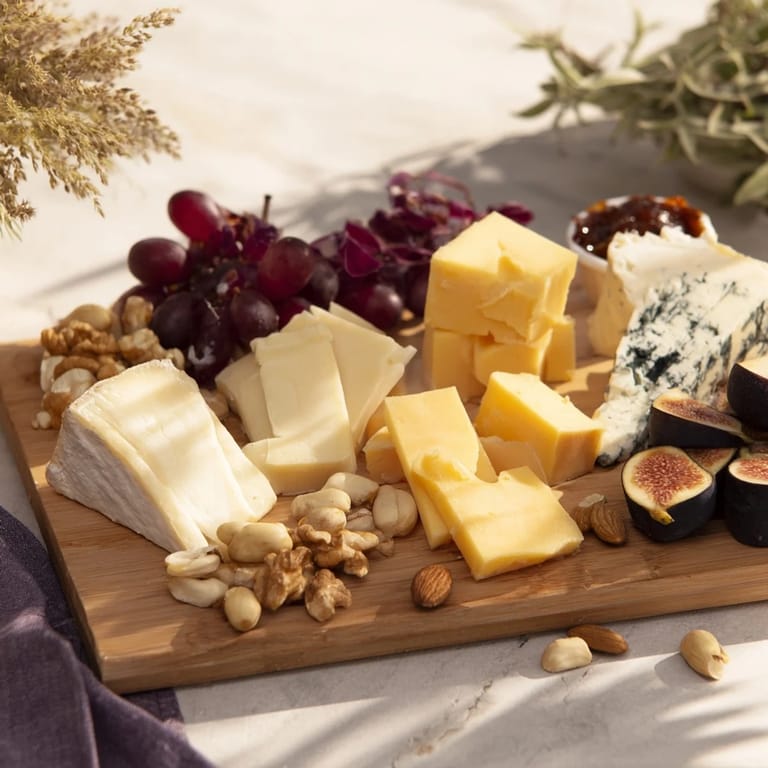
Save The first time I assembled a grazing board that actually made guests pause was when I stopped thinking about it as a platter and started thinking about it as a landscape. I'd been arranging cheeses and meats in neat, predictable rows until my friend casually suggested what if some of it just... fell off the edge? That question changed everything. Now, watching people gather around a board where brie tumbles toward the table edge like a frozen waterfall, olives scattered like breadcrumbs leading the way, I realize the beauty isn't just in what you serve, but in how you dare to present it.
I made this for a dinner party on the first autumn evening when the air finally felt crisp, and someone actually photographed it without asking. What struck me wasn't the compliments about how beautiful it looked, but how people lingered longer, talking and eating slowly, the board becoming the centerpiece of conversation rather than just food. There's something about abundance arranged with intention that makes people feel genuinely welcomed.
Ingredients
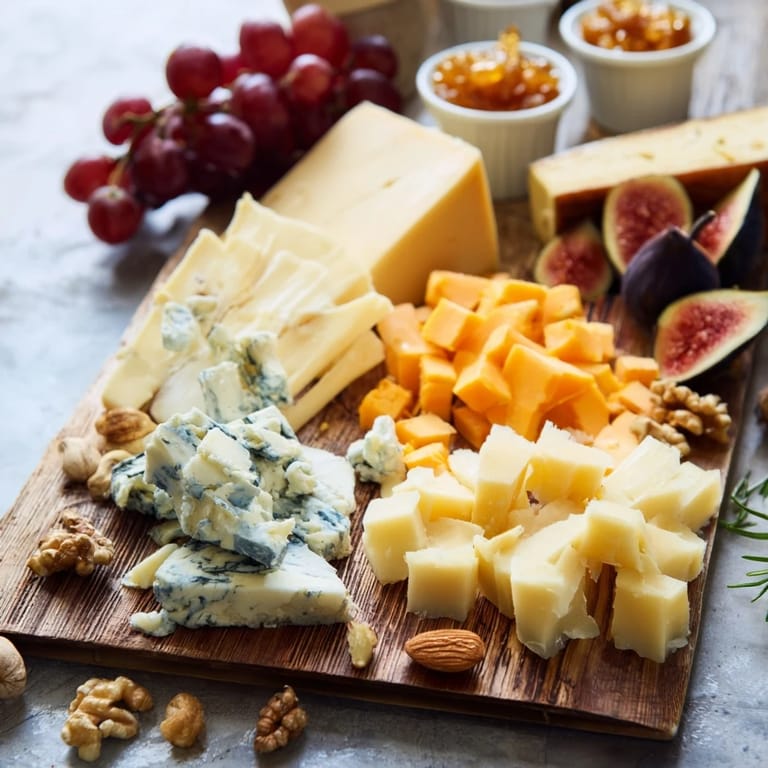
- Brie, sliced (150 g): Its soft, creamy texture is perfect for the waterfall effect because the slices hold together while looking effortlessly draped.
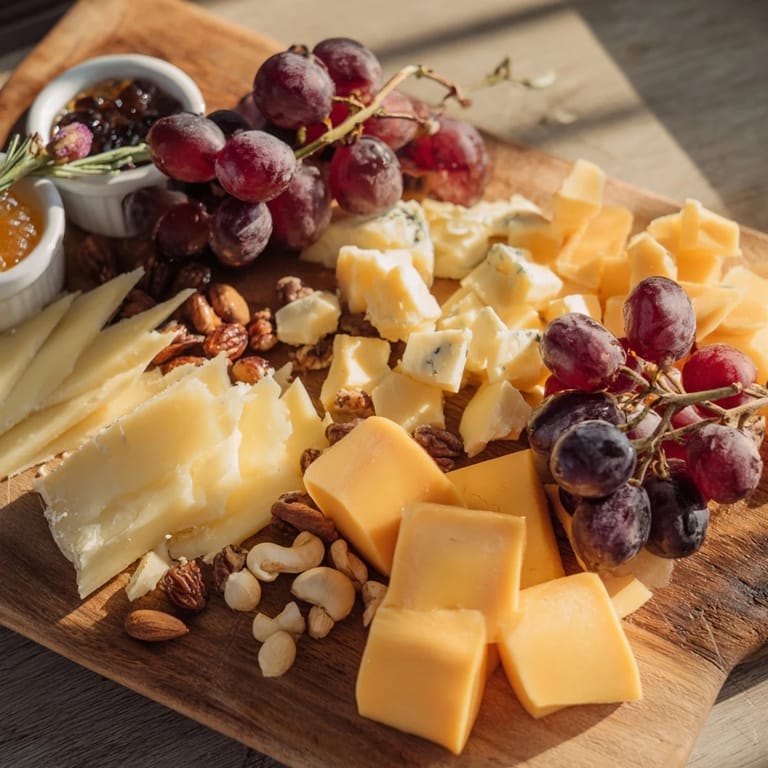
- Aged Cheddar, cubed (150 g): The firmness gives you architectural support, and the sharp flavor cuts through the richness of softer cheeses.
- Blue cheese, crumbled (100 g): Use it sparingly as a flavor anchor; it's potent and transforms the whole tasting experience.
- Goat cheese, sliced (100 g): The tang rounds out the cheese selection and adds visual contrast with its pale color.
- Prosciutto (100 g): Tear it into loose pieces rather than keeping it in neat stacks so it catches the light and flows naturally.
- Salami, sliced (100 g): Choose a variety with good color contrast; it adds visual interest and a peppery note.
- Red grapes in small clusters (1 cup): Keep them in clusters rather than individual grapes so they nestle and cascade more dramatically.
- Strawberries, halved (1 cup): Slice them just before serving so they stay bright and juicy, not oxidized.
- Blueberries (1/2 cup): Their small size makes them perfect for filling gaps and creating color pockets throughout.
- Pear, thinly sliced (1): Slice just before assembling and toss lightly with lemon juice to prevent browning.
- Dried apricots (1/2 cup): Their chewy sweetness balances salty meats and tangy cheeses.
- Dried figs, halved (1/2 cup): These are underrated texture makers and they add a sophisticated, slightly earthy sweetness.
- Almonds (1/3 cup): Toast them lightly if you have time; it deepens their flavor and makes them taste more intentional.
- Walnuts (1/3 cup): Their slight bitterness is excellent alongside fruit and cheese.
- Baguette, sliced and toasted (1): Toasting keeps it crisp and prevents it from absorbing moisture from the board.
- Assorted crackers (150 g): Pick textures that vary: something delicate, something sturdy, something with seeds.
- Honey (1/4 cup): Warm it slightly before drizzling so it flows naturally down the board's edge.
- Fig jam (1/4 cup): Its deep color and sweetness bridge the savory and sweet elements perfectly.
- Mixed olives (1/4 cup): Choose ones with pits removed unless your guests enjoy the interactive element of spitting them out.
- Fresh herbs, rosemary and thyme: Strip the leaves from woody stems and scatter them like you're painting the board.
Tired of Takeout? 🥡
Get 10 meals you can make faster than delivery arrives. Seriously.
One email. No spam. Unsubscribe anytime.
Instructions
- Set your stage:
- Choose a large wooden or marble board and position it so one edge overhangs your table slightly, leaving room for ingredients to spill onto a clean surface or parchment paper below. This creates the foundation for your waterfall effect.
- Build the cheese cascade:
- Arrange sliced brie and goat cheese in overlapping layers starting from the edge of the board, letting them extend past the boundary intentionally. The goal is architectural but organic, like cheese is naturally flowing over.
- Drape the cured meats:
- Layer prosciutto and salami beside and over the cheese, creating soft folds that suggest movement toward the table. Don't be neat; let them crease and fold naturally.
- Introduce the fruit:
- Nestle grape clusters and strawberry halves throughout, with some positioned to tumble toward the table edge. Tuck pear slices into gaps where they catch light and look intentional.
- Fill with dried elements:
- Scatter dried apricots, figs, almonds, and walnuts across the board and onto the table surface below, creating a sense that abundance is overflowing.
- Add texture and crunch:
- Position toasted baguette slices and assorted crackers both horizontally and vertically, leaning some against the cheese and letting others appear balanced precariously as if ready to tumble.
- Anchor with condiments:
- Place small bowls of honey, fig jam, and olives on the board, then let small trails of these condiments lead off the edge onto the table below, reinforcing the waterfall narrative.
- Finish with fragrance:
- Scatter fresh rosemary and thyme leaves across the entire arrangement, adding color, aroma, and a final sense of intentional abundance.
- Serve with confidence:
- Step back and admire it. Encourage your guests to graze from both the board and the artfully arranged elements that have spilled onto the table.
 Save
Save My neighbor watched me assemble this for a casual evening with friends and said, "This looks too fancy to actually eat," but within minutes, people were tearing off pieces of prosciutto, double-dipping olives in jam, and building little flavor combinations from whatever caught their eye. That's when I understood: the presentation creates the memory, but the grazing creates the connection.
Playing with Color and Contrast
The visual impact of this board depends on thinking about color as much as taste. I learned to position the pale brie against darker board wood, let the deep purple of blue cheese sit near bright berries, and use the golden toasted bread to bridge warm and cool tones. When you step back before guests arrive, you should see pockets of color distributed across the entire surface, not all the reds together or all the whites in one area. This instinctive color balance is what makes someone pause before they photograph it.
Flavor Pairing Beyond the Obvious
Most grazing boards treat cheese, fruit, and meat as separate categories, but the real joy comes from discovering how they dance together. The sharpness of aged cheddar softens when you pair it with a sweet apricot. Blue cheese becomes less intimidating when you top it with honey. Salty prosciutto tastes almost delicate when wrapped around a pear slice. I used to think of this as a collection of items, but now I see it as an invitation to taste in combinations, to build your own flavor story with each bite.
Making It Your Own
The foundation of this board is flexible enough that you can substitute almost anything without losing the essence. I've made versions with fresh mozzarella balls and cherry tomatoes for a lighter summer feel, and autumn versions heavy on smoked cheeses and roasted nuts. The waterfall principle works whether you're feeding vegans, people avoiding gluten, or those who want nothing but chocolate and nuts. What matters is that you arrange with intention and a little theatrical flair.
- Swap any cheese for your current favorite or what's on sale at the market; the architecture remains.
- Add honeycomb, dark chocolate, or candied orange peel if you want to lean toward a sweeter profile.
- If you're building a vegan version, quality plant-based cheeses are now good enough that no one will miss the dairy once the flavors start working together.
 Save
Save Building a board like this reminds me that feeding people is partly about the food and partly about the theater, the conversation starter, the moment when someone realizes they're welcomed not just with sustenance but with creativity. That waterfall of abundance spilling onto the table is really just an invitation to take more, taste more, stay a little longer.
Recipe FAQs
- → How do I create the waterfall effect?
Arrange cheeses and other ingredients overlapping near the board’s edge, allowing some to extend past the boundary, combined with cascading fruits and scattered nuts for a flowing appearance.
- → Can this board be adapted for vegetarian or vegan diets?
Omit cured meats for vegetarian preferences and use plant-based cheeses to create a vegan-friendly option without sacrificing flavor or presentation.
- → What pairs well with this grazing board?
Light wines like crisp white or sparkling rosé complement the variety of cheeses, fruits, and cured meats beautifully.
- → How long does it take to assemble?
Preparation typically requires about 30 minutes, with no cooking involved, making it a quick yet impressive option.
- → What tools are recommended for assembly and serving?
Use a large wooden or marble board, small bowls or ramekins for accompaniments, cheese knives, and serving tongs for ease and presentation.
- → Are there any allergen considerations?
This board contains dairy, tree nuts, gluten from bread and crackers, and possible sulfites from dried fruits and cured meats; check individual ingredients for specifics.