 Save
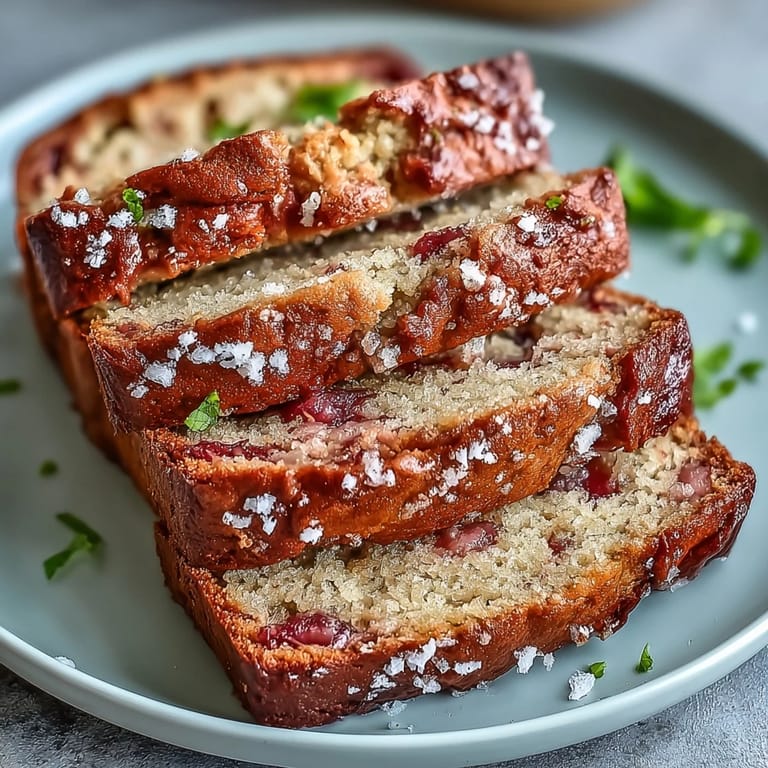
Save There's something about the smell of cardamom hitting warm banana bread that makes you stop and actually pay attention to what you're doing in the kitchen. I'd picked up a tin of ground cardamom on a whim at the market, drawn to its earthy, almost floral scent, and spent weeks wondering what to do with it. Then one afternoon, standing in front of my overripe bananas and a jar of guava pulp I'd been meaning to use, it clicked—tropical warmth meets spiced comfort, held together by that dairy-free magic that turns out to be simpler than you'd think.
I made this the morning before a friend arrived from out of town, and the timing was perfect—the loaf had cooled just enough to slice when she walked through the door. We sat in that golden afternoon light with tea, and she took one bite and immediately asked for the recipe, which felt like the highest compliment. That's when I knew this wasn't just a way to use up fruit; it was something genuinely special.
Ingredients
- Ripe banana: Overripe is actually your friend here—the more freckled and soft, the sweeter and more flavorful your bread will be.
- Guava pulp: If you can find fresh guava, scoop out the pulp and strain it to avoid the seeds, but canned works beautifully and saves time.
- Lime zest: This small addition brightens everything and prevents the bread from tasting one-dimensional.
- Light brown sugar: It brings a subtle molasses note that pairs perfectly with cardamom and tropical fruit.
- Neutral oil: Sunflower or canola keeps the crumb tender without competing with the spices.
- Plant-based milk: Whatever you have on hand works—the amount is small enough that the flavor doesn't matter much.
- Vanilla extract: A teaspoon rounds out the flavors without announcing itself.
- All-purpose flour: Measure by weight if you can, but spooning and leveling works fine too.
- Ground cardamom: This is the star—don't skip it or substitute lightly, as it defines the entire character of the bread.
- Baking soda and baking powder: Together they create lift and ensure the crumb stays light and open.
- Walnuts or pecans: Optional, but they add a nice textural contrast and earthy depth.
- Coarse sugar: For sprinkling on top, it creates a subtle crunch and catches the light.
Tired of Takeout? 🥡
Get 10 meals you can make faster than delivery arrives. Seriously.
One email. No spam. Unsubscribe anytime.
Instructions
- Get your oven ready:
- Preheat to 350°F and grease your loaf pan, then line the bottom with parchment paper so the bread releases easily. This step takes two minutes but saves you frustration later.
- Bring the fruit together:
- Mash your bananas until mostly smooth—a few small lumps are fine and actually add texture. Stir in the guava pulp and lime zest, noticing how the zest flecks brighten everything.
- Mix in the wet ingredients:
- Add the brown sugar, oil, plant milk, and vanilla to your banana mixture, stirring until everything is well incorporated and the sugar starts to dissolve. This should take about a minute of gentle stirring.
- Combine your dry ingredients:
- In a separate bowl, whisk together the flour, cardamom, baking soda, baking powder, and salt—this distributes the leavening agents evenly so you get consistent rise. You'll notice the mixture become fragrant as you whisk.
- Bring it together without overdoing it:
- Add the dry mixture to the wet mixture and stir just until you don't see streaks of flour anymore; a few small lumps are perfectly fine. Overmixing develops gluten and makes the bread tough, so resist the urge to keep stirring.
- Add the nuts if you're using them:
- Fold in chopped walnuts or pecans gently, distributing them throughout so each slice gets a few pieces.
- Pour and finish:
- Transfer the batter into your prepared pan, smooth the top with a spatula, and sprinkle coarse sugar over if you like. The sugar creates a slight crust that looks beautiful and adds a gentle sweetness.
- Bake until golden:
- Place in the oven for 45 to 55 minutes—every oven is different, so start checking around the 45-minute mark by inserting a toothpick in the center. It should come out clean or with just a few moist crumbs, not wet batter.
- Cool with patience:
- Let the bread rest in the pan for 10 minutes—this helps it set without falling apart—then turn it out onto a wire rack to cool completely. Slicing it while still warm leads to crumbling, so give it at least an hour.
 Save
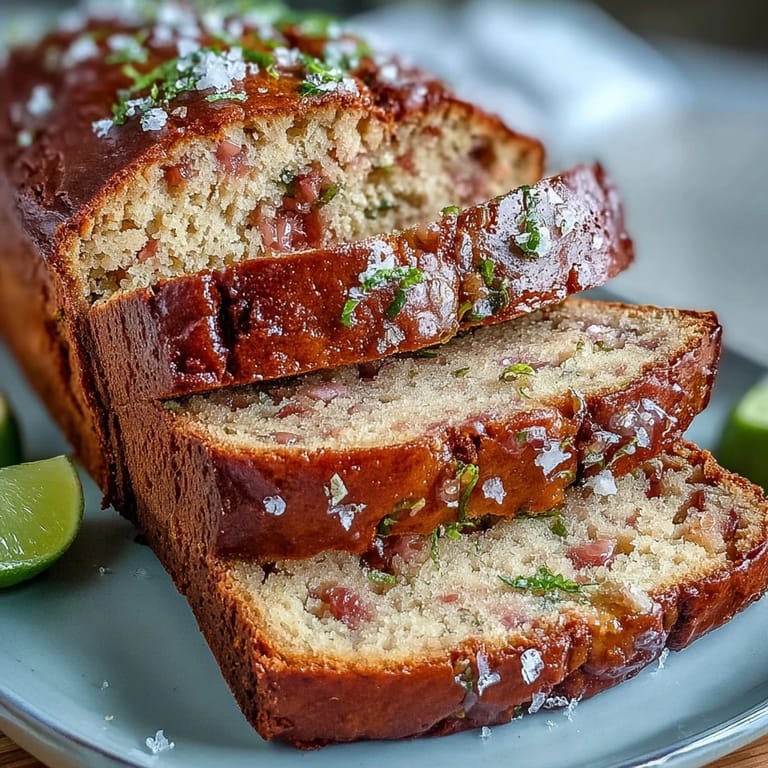
Save My partner took a slice to work the next day and came home saying people kept asking where he'd gotten bakery bread. It wasn't fancy or complicated, just honest ingredients treated with care, and somehow that mattered more than I expected.
The Magic of Cardamom in Quick Breads
Cardamom is one of those spices that doesn't announce itself loudly but instead creates depth and intrigue, making people pause and wonder what they're tasting. In quick breads especially, it works beautifully because the moist crumb carries the spice throughout, and each bite tastes slightly different depending on where the ground cardamom settled. I've learned to toast my cardamom pods and grind them fresh when possible, though pre-ground works perfectly fine if that's what you have.
Making This Bread Shine at Different Times of Day
This bread is genuinely good at breakfast with strong coffee, but it transforms into something almost elegant when sliced thin and served with afternoon tea. The tropical fruit and spice feel a bit fancier at that hour, and the vegan aspect means you can serve it to anyone without worry. I've also found it works as a light dessert with a drizzle of lime glaze or a smear of vegan butter, depending on your mood.
Storage and Keeping It Fresh
Wrapped well at room temperature, this bread stays moist and delicious for three days, and it actually develops deeper flavor by the second day as the spices continue to meld. You can freeze it whole or sliced for up to a month, and it thaws beautifully without drying out thanks to all the fruit and oil keeping it tender.
- Store in an airtight container or wrap tightly in plastic wrap to lock in moisture.
- If it starts to dry at the edges after a few days, a quick toast brings back the soft crumb.
- Frozen slices can go straight into the toaster for a warm breakfast without thawing.
 Save
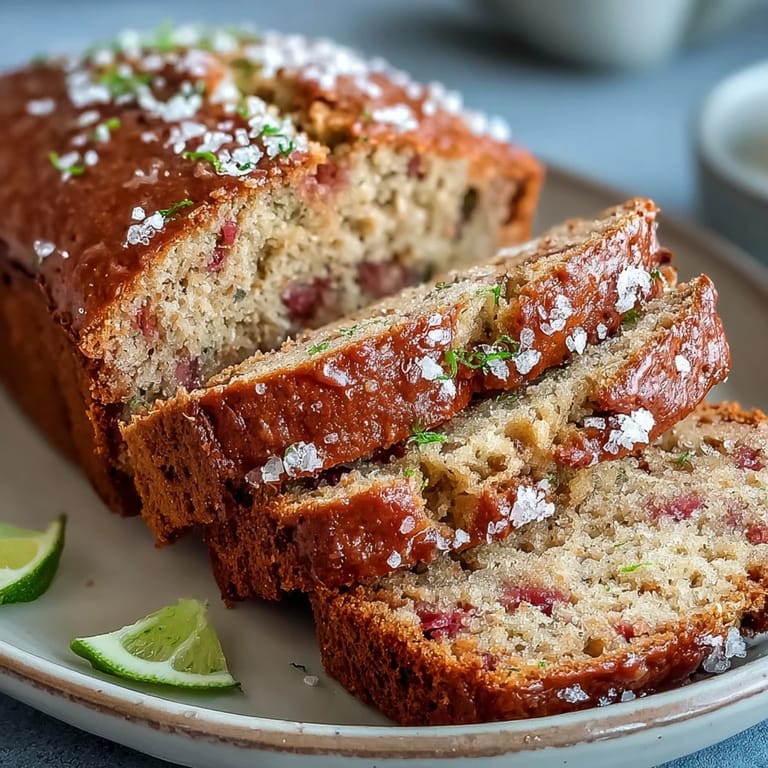
Save This bread proves that vegan baking doesn't require tricks or substitutes that taste like substitutes—just good ingredients and a little thoughtfulness. Once you make it, you'll have it on rotation, maybe even keeping bananas and guava on hand just in case someone unexpected shows up.
Recipe FAQs
- → Can I substitute the guava pulp with other fruits?
Yes, mango or pineapple puree can be used as alternatives to guava for a similar tropical flavor and texture.
- → How can I ensure the bread stays moist?
Adding a bit of unsweetened applesauce or properly measuring wet ingredients helps maintain moisture in the loaf.
- → Are nuts necessary in this bread?
Nuts are optional and add a crunchy texture, but the bread is delicious and moist without them.
- → What baking pan size is recommended?
A standard 9x5-inch loaf pan works best for even baking and proper rise.
- → How do I know when the bread is perfectly baked?
Insert a toothpick into the center; if it comes out clean or with a few crumbs, the bread is done.
- → Can I use other plant-based milks?
Yes, almond, oat, or soy milk all work well to keep the bread dairy-free and tender.