 Save
Save I still remember the first time I encountered a noodle board at a trendy Asian fusion restaurant in the city. It was one of those transformative meals where everything came together on a single beautiful platter, and I realized that food could be as much about the presentation and the experience of choosing what to eat as it was about the flavors themselves. That evening sparked something in me, and I knew I had to recreate that magic at home. Now, whenever I arrange this board for friends, I see that same spark of delight in their eyes as they survey all the colorful possibilities before them.
I'll never forget the first dinner party where I served this noodle board. My friend Sarah, who's notoriously picky, stood in front of it for a moment, then smiled and said, 'I can make exactly what I want.' Watching four of us build completely different bowls from the same ingredients, each one perfect for our own tastes, felt like I'd cracked some secret code of hospitality.
Ingredients
- Rice noodles or soba noodles (300 g): These are the foundation of your board. Rice noodles are delicate and won't overpower the other flavors, while soba brings an earthy, nutty note. I always rinse them under cold water after cooking—it stops the cooking process and keeps them tender rather than gummy.
- Sesame oil (1 tbsp): This is the secret to keeping your noodles from clumping into a sad nest. Just a tablespoon tossed through warm noodles makes all the difference, and it adds that subtle, unmistakable toasted aroma.
- Cooked chicken breast, thinly sliced (200 g): Slice it as thin as you can manage—it's easier to eat with chopsticks and looks more elegant on the board. The key is not to overcook the chicken in the first place, so it stays tender and absorbs the sauce flavors beautifully.
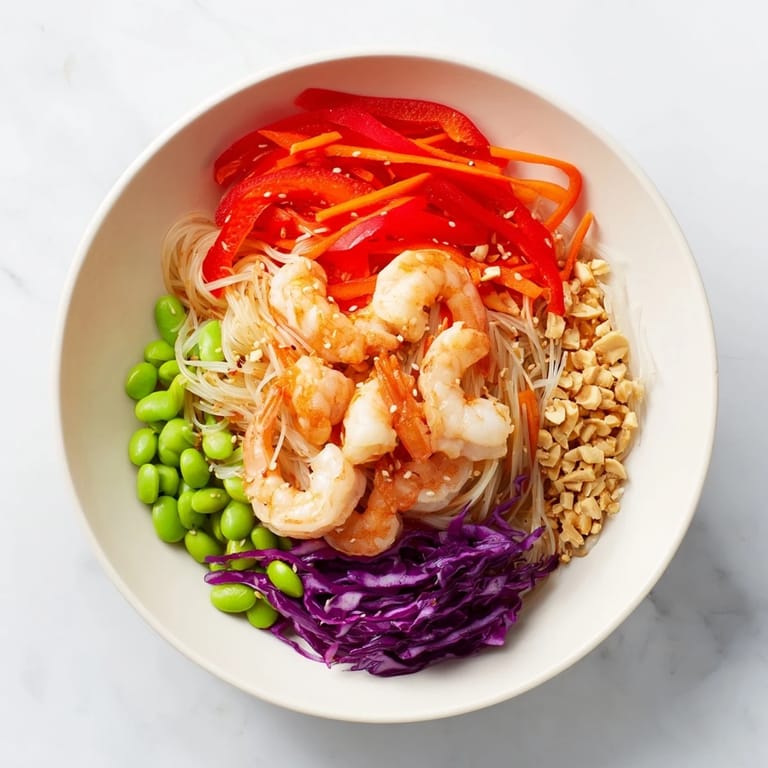
- Cooked shrimp, peeled and deveined (150 g): You can use frozen shrimp that you've thawed and quickly cooked, or buy them pre-cooked if you're short on time. They add a lovely sweetness that plays so well against the savory sauces.
- Boiled eggs, halved (2): Hard boil them for 10 minutes, then plunge them into ice water so the yolk stays a vibrant yellow. Those golden yolks become little pockets of richness when you dip them.
- Julienned carrots (1 cup): Cut them into long, thin matchsticks so they stay crisp and look delicate on the board. I learned the hard way that thick carrot chunks look clunky and take too long to eat.
- Thinly sliced cucumber (1 cup): The cooling effect of cucumber is essential—it balances the richness of the noodles and proteins. Slice it thin so it stays crisp longer.
- Red bell pepper, julienned (1): The bright color is non-negotiable for a stunning board, and the subtle sweetness is a counterpoint to the savory elements.
- Thinly sliced red cabbage (1 cup): Its color deepens slightly as it sits, creating this gorgeous ombre effect on the board. Plus, it stays crisp for hours, which is perfect for a grazing situation.
- Cooked edamame, shelled (1 cup): I toss these with a pinch of salt while they're still warm so the flavoring sticks. They add a little textural surprise and a pop of green.
- Thinly sliced radishes (4): These provide a peppery crunch that wakes up your palate between bites. Don't skip them—they're like little flavor punctuation marks.
- Sliced scallions (2): I always include both the white and green parts. The white bits soften slightly and become sweet, while the green stays bright and oniony.
- Fresh cilantro leaves (1/4 cup): This is where your board gets personality. Cilantro is polarizing, so if anyone can't stand it, keep it separate and let them skip it.
- Fresh mint leaves (1/4 cup): The cooling, slightly sweet quality of mint ties everything together and reminds your mouth that you're eating something fresh, not heavy.
- Roasted peanuts, chopped (1/4 cup): Chop them coarsely so you get actual peanut texture, not peanut dust. They add richness and a slight saltiness that makes you keep coming back for more.
- Toasted sesame seeds (2 tbsp): Toast them yourself if you can—the difference between raw and toasted sesame seeds is like comparing beige to gold. The nuttiness is what makes this dish feel special.
- Lime wedges: These are your final punch of brightness. A squeeze of lime over everything ties all the disparate flavors into something cohesive and alive.
- Soy sauce (1/3 cup): The umami backbone. I always taste the sauce on its own before adding it to the board to make sure it's the right balance of salty and savory.
- Spicy peanut sauce (1/3 cup): Whether store-bought or homemade, this sauce is the wild card. Its richness and heat make people go back for more bites.
- Hoisin sauce (1/3 cup): Sweet, savory, and slightly thick, it coats your noodles in a luxurious way. It's the comfort element of the dipping sauces.
- Sweet chili sauce (1/3 cup): The bright, hot-and-sweet element that makes everything feel fresh and modern. It's what keeps the board from feeling too heavy.
Tired of Takeout? 🥡
Get 10 meals you can make faster than delivery arrives. Seriously.
One email. No spam. Unsubscribe anytime.
Instructions
- Cook Your Noodles with Care:
- Bring a pot of water to a rolling boil and cook your noodles according to the package instructions—usually 3-4 minutes for rice noodles, a bit longer for soba. You want them cooked through but still with a slight firmness. Immediately drain them in a colander and rinse under cold running water until the water runs clear. The rinsing stops the cooking and prevents them from sticking. While they're still slightly warm, toss them with that tablespoon of sesame oil using your fingers or two forks. This is the moment where the aroma fills your kitchen and you know something special is about to happen.
- Prepare Your Fresh Ingredients with Intention:
- Set up your cutting board like a mise en place. Julienne your carrots into long, thin sticks—imagine you're cutting strands for a delicate nest. Slice your cucumber on a sharp bias so each piece catches the light. Cut your bell pepper into thin, elegant matchsticks. Slice the red cabbage thin enough that you can see through it. Keep all your vegetables in separate little piles on your cutting board. This organization is what makes assembly effortless and keeps everything looking intentional rather than rushed.
- Gather and Arrange Your Proteins:
- Place your sliced chicken breast on a small plate. Arrange your cooked shrimp in a neat little pile. Halve your hard-boiled eggs. These proteins should look elegant, not haphazard. If you're going vegetarian, this is where extra-pressed tofu sliced thin comes into play. Stand back and admire how beautiful these simple proteins look already.
- Prepare Your Center Bowl of Sauces:
- Pour each sauce into its own small bowl or quarter-section of a divided bowl. The moment you see all four sauces lined up—the deep brown of soy, the warm tan of peanut, the dark burgundy of hoisin, and the bright orange-red of sweet chili—you'll know why this platter works so well. Each sauce has its own personality, and together they tell a story of Asian flavors.
- Arrange Your Board Like You're Painting:
- Start with a large, clean board or platter. Place your center sauce bowl in the middle. Now, imagine dividing your board into sections like the spokes of a wheel, each spoke a different color. Start with your noodles—create a nest or a fan of them in one section, tossing them once more with sesame oil so they glisten. Then begin filling in your vegetables. Stack them in neat rows or create little fans. Let the colors build on each other—reds next to greens, yellows next to purples. Place your proteins in their own sections where they become focal points. Don't overcrowd; negative space on the board is as important as what you put on it.
- Crown Your Creation with Garnishes:
- Scatter your cilantro leaves across the board with abandon. Tuck mint leaves between vegetables where they'll catch the light. Sprinkle your chopped peanuts in one or two spots so they look intentional rather than accidental. Do the same with your sesame seeds—they should twinkle on the board like little jewels. Finally, arrange your lime wedges around the board's edge like they're meant to be grabbed.
- Make the Final Adjustments:
- Step back. Look at your board. Is there a color imbalance? Add more of that bright red radish. Does one section look bare? Scatter a few more cilantro leaves. Move the sauce bowl if it feels off-center. This is the moment where your noodle board stops being a collection of ingredients and becomes a work of art that happens to be delicious.
- Serve with Ceremony:
- Place the board in the center of your table. Provide small bowls for each person and chopsticks or a fork for grabbing what they want. Let everyone build their own perfect bite. Watch them pause, decide, and reach for what speaks to them. That moment right there—that's the whole point of this board.
 Save
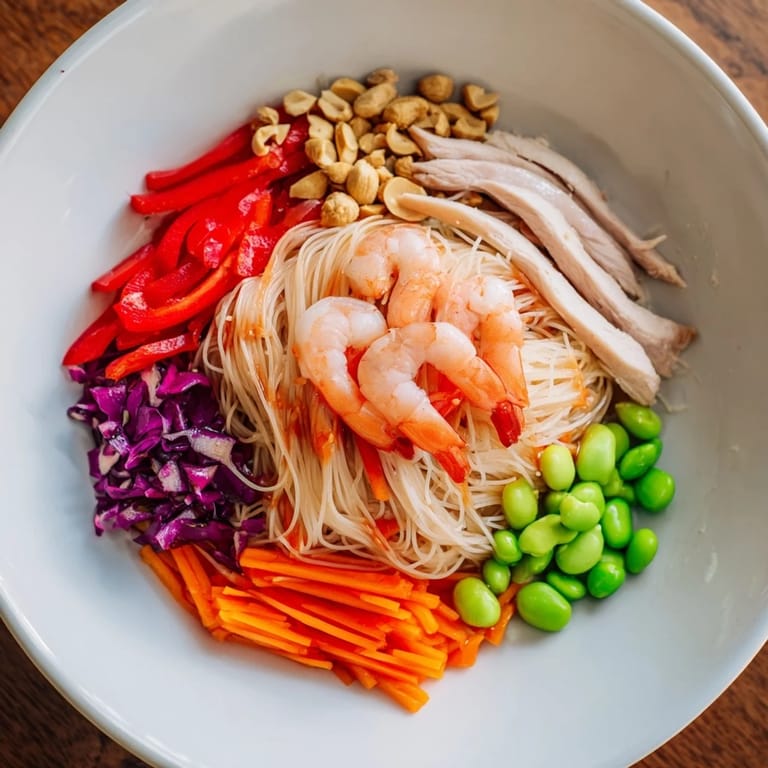
Save There was an evening when my teenage nephew refused to eat anything 'weird' at a family dinner, and then he stood in front of this noodle board for what felt like ten minutes, building a bowl with cucumber, noodles, chicken, peanut sauce, and sesame seeds—creating something entirely his own that still honored the dish. By the end of dinner, he was asking if he could help make it next time. That's when I understood that this board does something magic: it gives people permission to eat exactly what they love without judgment or negotiation.
The Art of Building Your Perfect Bowl
The beauty of this noodle board is that it's not really about following a recipe once you've arranged everything. Instead, it becomes a conversation between you and the ingredients. Start with a base of noodles in your bowl—maybe a small handful so they don't overwhelm everything else. Add your proteins in whatever quantity appeals to you. If you're in the mood for shrimp-forward, load up on shrimp. If you want to taste more vegetables, build toward that. Then comes the vegetables: think about which ones you want together. Some people create harmony by pairing cooling cucumber with warm peanut sauce. Others create contrast by putting peppery radish next to sweet hoisin. There's no wrong answer because you're building a bowl that matches your mood in this exact moment.
Making It Work for Every Diet
One of my favorite things about this dish is how it welcomes everyone. When I served it for a dinner where we had vegetarians, omnivores, someone keeping kosher, and someone avoiding shellfish, nobody felt excluded. The beauty of the board format is that everyone can see exactly what they're eating and can make choices that honor their needs and preferences. For vegetarians, press firm tofu until it's quite dry, then slice it thin and treat it exactly like the chicken. For those avoiding shellfish, just remove the shrimp bowl—nobody even notices it's gone because there's so much else going on. If you're cooking for someone gluten-free, substitute tamari for soy sauce and double-check your other sauces. This dish has a natural generosity to it that makes accommodating everyone feel easy rather than like an afterthought.
Making It Ahead and Storage Secrets
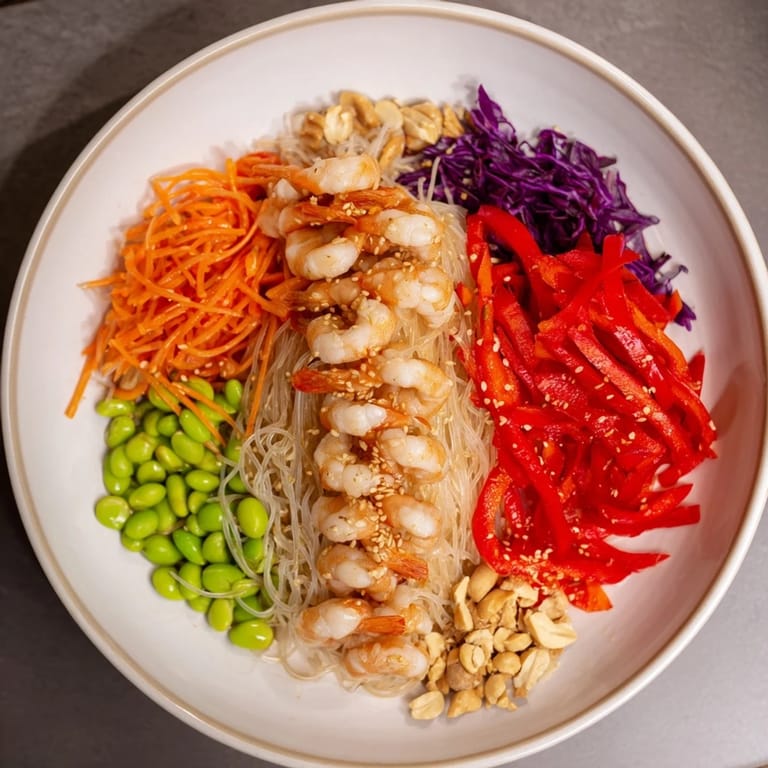
You can do so much of this preparation hours before your guests arrive, which is what makes this recipe feel elegant but not stressful. Prepare your vegetables and keep them in separate containers in the refrigerator—they'll actually stay crisper this way. Cook your noodles and toss them with sesame oil, then cover them loosely and refrigerate. Cook your proteins ahead as well. The only things you want to do close to serving time are arranging the board and adding the fresh herbs, which can wilt if they sit too long. I usually arrange the board 30 minutes before serving, which gives people something stunning to look at when they arrive, and then I scatter my cilantro and mint right as everyone sits down.
- Store prepped vegetables separately in airtight containers so they stay crisp and don't exchange flavors with each other
- Make your noodle board 30 minutes before serving but add fresh herbs just before people eat
- If you have leftovers, store them in separate containers and don't mix them together until someone is ready to eat—they stay fresher this way
 Save
Save This noodle board has become my favorite way to gather people around food—it's beautiful, it's flexible, and most importantly, it makes everyone feel seen and celebrated. You're not just serving dinner; you're creating an experience.
Recipe FAQs
- → What types of noodles work best for this dish?
Rice noodles or soba noodles both provide a tender, light base that complements the fresh vegetables and proteins.
- → How can I make this platter vegetarian?
Substitute the chicken and shrimp with firm tofu and keep the boiled eggs for added protein.
- → What sauces pair well with this noodle platter?
Soy sauce, spicy peanut sauce, hoisin, and sweet chili sauces offer a range of savory and spicy flavors that perfectly enhance the ingredients.
- → Are there allergen considerations to keep in mind?
This dish contains soy, peanuts, eggs, and shellfish. Omit or substitute these items if allergies are a concern, and verify gluten-free status if needed.
- → How should the ingredients be arranged for best presentation?
Arrange vegetables, noodles, and proteins in neat rows or fan shapes on a large board, placing the divided sauce bowl centrally for an elegant display.
- → Can this dish be served cold or warm?
Serve the noodles and components at room temperature or slightly chilled for a refreshing dining experience.