 Save
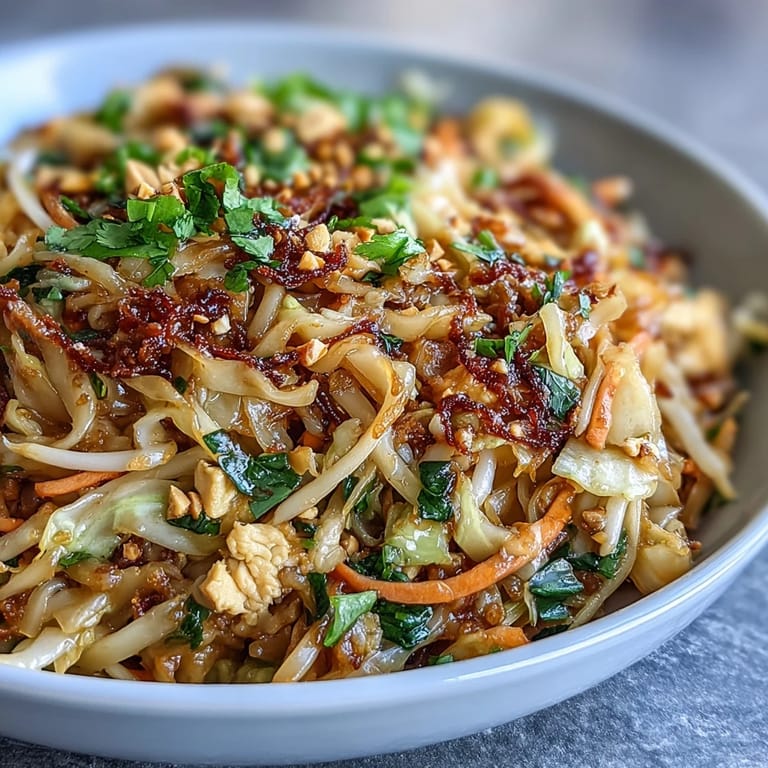
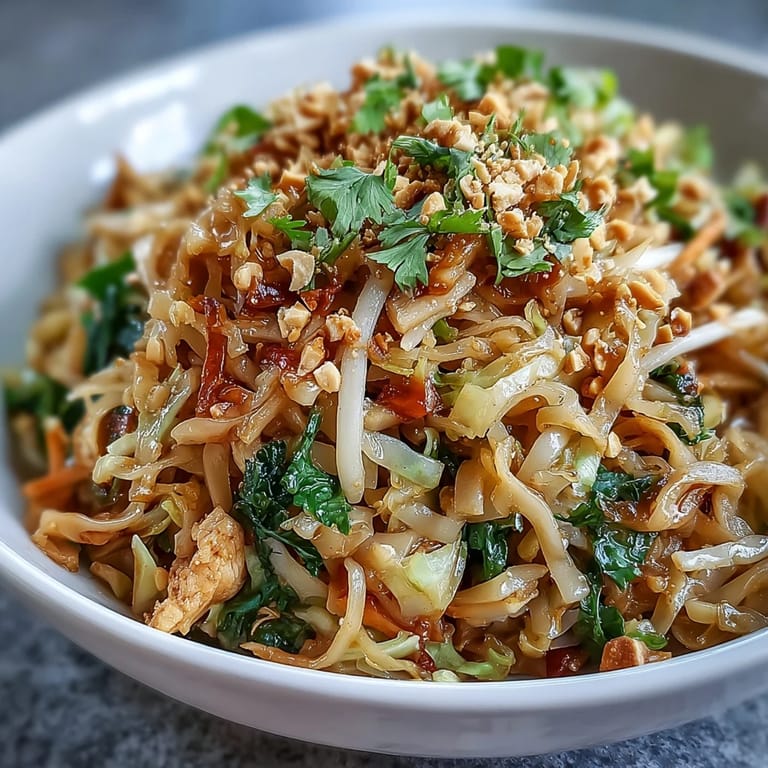
Save The first time I tried making Pad Thai with cabbage instead of noodles I was simply trying to clear out the crisper drawer. I never expected such a cheerful crunch in every bite nor the way the sauce clung brilliantly to the cabbage ribbons. Listening to the sizzle of vegetables in the skillet reminded me how satisfying a wholesome shortcut can be. There was that faint citrusy aroma lingering in the air, tempting me to taste before I should. Cabbage Pad Thai quickly became a dish I find myself returning to when I crave bold flavors without the heavy feeling of traditional noodles.
Last summer, I cooked this for friends who’d come over after a volleyball match, still sun-kissed and hungry. My kitchen buzzed with laughter as everyone picked their protein and assembled plates just the way they liked. The best feedback came in giggles when someone announced they'd never missed the noodles at all. Even my pickiest pal asked for seconds. It’s these casual, hands-on dinners that remind me why recipes like this always win hearts.
Ingredients
- Green cabbage: The backbone of this dish—choose a head that feels heavy for its size and shred finely so it cooks evenly and absorbs the sauce.
- Carrot: Julienning it creates lovely strips that not only sweeten each bite but make the dish pretty enough to serve company.
- Red bell pepper: Sliced thin, it adds crunch and just enough sweetness to balance the tangy sauce.
- Scallions: Reserve the green tops for garnish—they add a peppery freshness at the very end that perks everything up.
- Garlic & fresh ginger: The aromatic duo—let them cook just long enough to perfume the oil without burning.
- Eggs: A quick scramble in the pan brings richness and authentic Pad Thai flair; don’t overcook for best texture.
- Chicken, shrimp, or tofu: Go with what you love or what you have—just slice it evenly for fast, balanced heating.
- Tamari or soy sauce: Tamari for gluten-free; always taste—brands vary in saltiness!
- Fish sauce: The unmistakable umami bite—swap for more tamari if you’re keeping it veggie.
- Lime juice: Use fresh if you can; nothing lifts flavor quite like a quick squeeze right before serving.
- Peanut butter: Creamy peanut butter makes the sauce cling in all the right ways—stir it well so it dissolves smoothly.
- Erythritol, monkfruit, or honey: Sweetener is flexible; adjust to taste and choose which fits your diet.
- Chili flakes or Sriracha: Add for a little heat, or skip altogether if you prefer things mild.
- Roasted unsalted peanuts: Roughly chop for maximum crunch; toast if you want even bolder flavor.
- Fresh cilantro: Just a few leaves sprinkled on top give a pop of color and fresh, herbaceous note.
- Lime wedges: Extra at the table lets each person brighten their own serving.
Tired of Takeout? 🥡
Get 10 meals you can make faster than delivery arrives. Seriously.
One email. No spam. Unsubscribe anytime.
Instructions
- Mix up the sauce:
- Whisk together tamari, fish sauce, lime juice, peanut butter, sweetener, and chili flakes or Sriracha in a small bowl until fully combined and smooth.
- Sauté aromatics:
- Heat your skillet or wok over medium-high heat, add oil, then toss in garlic, ginger, and white parts of scallions—enjoy the aroma while stirring for just a minute.
- Add veggies:
- Tumble in the shredded cabbage, carrots, and bell pepper, stirring constantly for 4–5 minutes until they soften but stay a little crisp at the edges.
- Scramble the eggs:
- Push veggies aside, crack eggs into the cleared space, and gently scramble them, folding them back into the vegetables once set.
- Protein time:
- Add your choice of cooked chicken, shrimp, or tofu and give it all a quick stir so everything heats evenly and mixes together.
- Toss with sauce:
- Pour your sauce over the skillet contents and toss thoroughly, letting everything mingle as it heats for another couple of minutes.
- Finish and serve:
- Remove from heat, shower with chopped peanuts, cilantro, green scallion tops, and a squeeze of lime—bring extra wedges to the table and dig in while it’s piping hot.
 Save
Save 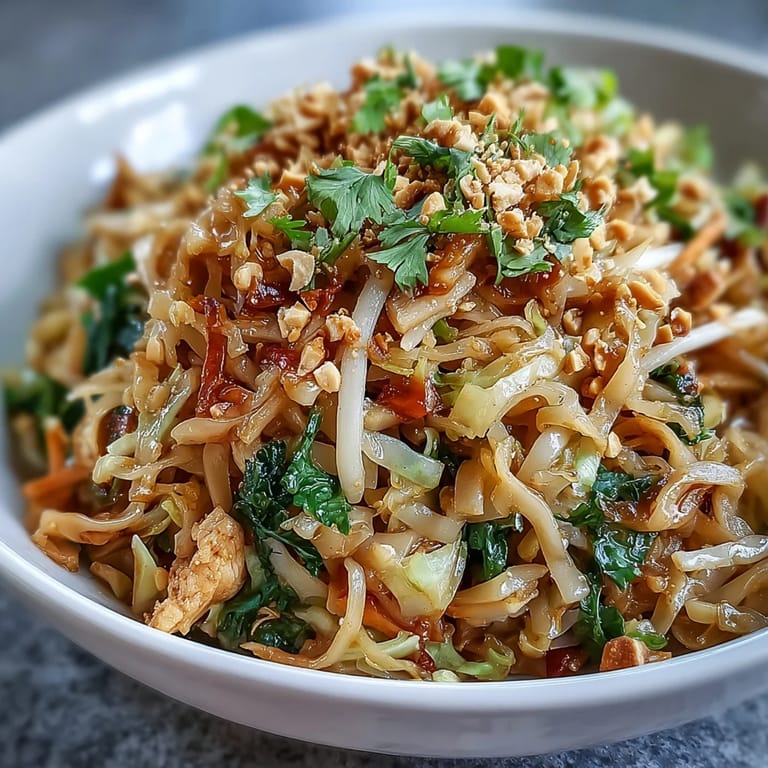 Save
Save It was during a drizzly evening with nowhere particular to be that I realized this cabbage Pad Thai had slipped into my comfort food rotation. I remember stirring the skillet with one hand and fielding a phone call with the other—when the meal hit the table, it was all smiles and easy chatter, proving that the simplest dishes really do set the scene for the best memories.
Making Every Bite Count
Something magical happens when the cabbage hits the heat—it softens just enough yet still delivers bite. For the best results, slice your cabbage as thinly as possible so the sauce doesn’t just pool at the bottom. The vibrant crunch of the veggies partners perfectly with the rich, tangy sauce, creating balance without heaviness. And don’t forget, a sharp knife makes prepping everything so much easier—those extra minutes make a world of difference.
Choosing the Right Protein
What I love about this recipe is how easy it is to adapt when you’re feeding a group with different tastes. Some nights I reach for tofu and sometimes leftover chicken, but I’ve even made it entirely veggie once when I was out of everything else. Just be sure to slice the protein into bite-size pieces—it helps them quickly soak up the saucy goodness without overcooking.
Finishing Touches for Full Flavor
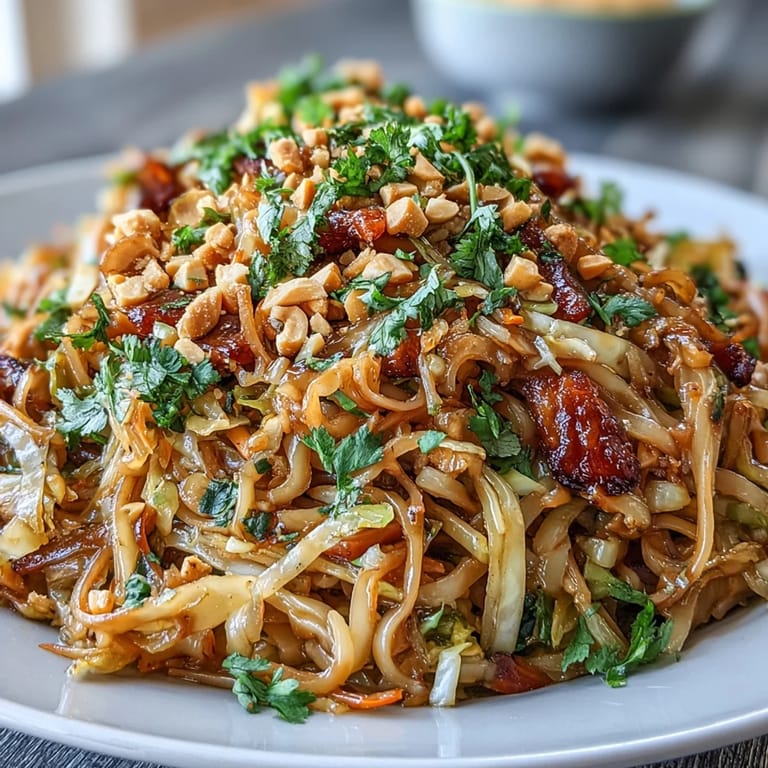
A last-minute sprinkle of peanuts and a hit of sharp lime bring the whole dish together like magic. If you can, toast the peanuts briefly—it’s a little thing, but the extra aroma is transformative. I always set out extra cilantro and lime at the table so everyone can dress their plate their way.
- Try a drizzle of toasted sesame oil just before serving for added depth.
- Don’t hesitate to toss in some bean sprouts for another crunchy pop.
- Taste and adjust seasoning right before serving so every bite is balanced.
 Save
Save 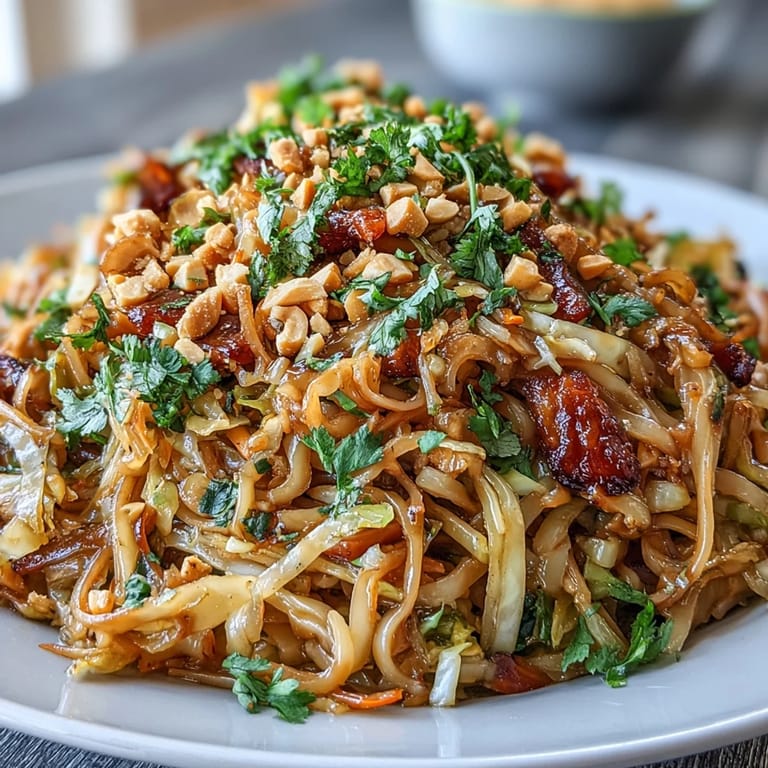 Save
Save Here’s to making something brilliantly fresh and colorful, no matter what’s in the fridge. May every plate bring as much cheer to your table as it has to mine!
Recipe FAQs
- → How do I keep the cabbage from becoming soggy?
Shred the cabbage finely and cook over medium-high heat, stirring constantly. Cook just until tender-crisp (about 4–5 minutes) to retain crunch and avoid excess moisture.
- → What proteins work best with this dish?
Cooked chicken, shrimp or firm tofu are all excellent. Slice proteins thinly or shred so they heat quickly and integrate evenly with the vegetables and sauce.
- → How can I make it vegetarian or vegan?
Use firm tofu in place of animal protein and substitute fish sauce with extra tamari or a splash of mushroom-based umami sauce. Omit eggs or use scrambled tofu for a vegan version.
- → Any tips for adjusting the sauce balance?
Taste and adjust for salt, acid and sweetness: add more tamari for salt, extra lime for brightness, or a touch more peanut butter or sweetener to mellow the tang. Heat with chili to your preference.
- → How should I handle peanut allergies?
Replace peanut butter with tahini or sunflower seed butter and omit chopped peanuts; toast sesame seeds for crunch if tolerated. Always check allergen labels on sauces.
- → Can this be prepared ahead or reheated?
Veggies are best fresh for crunch, but you can prepare the sauce and cook the protein ahead. Gently rewarm the assembled dish in a skillet over medium heat to avoid sogginess.