 Save
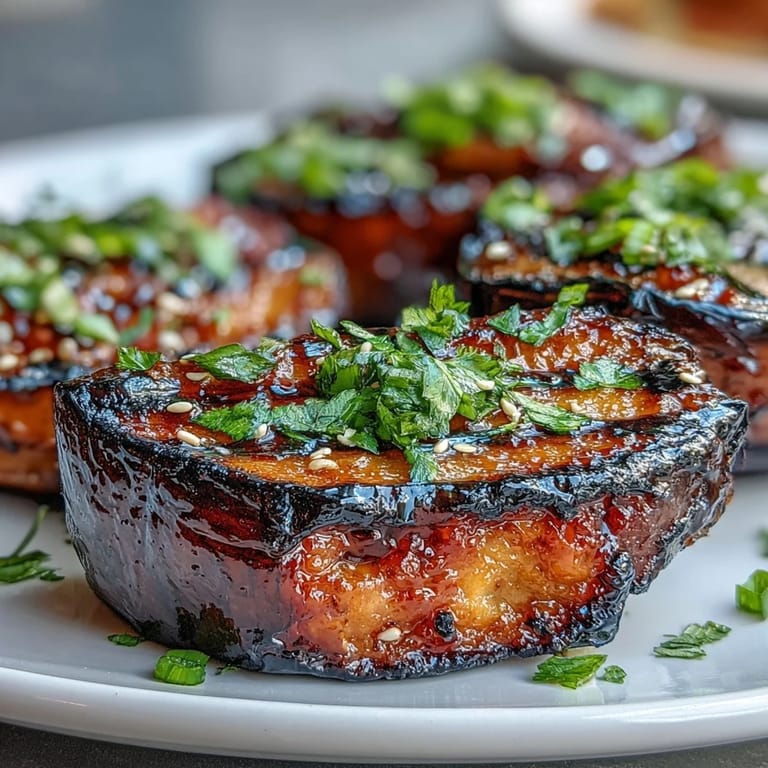
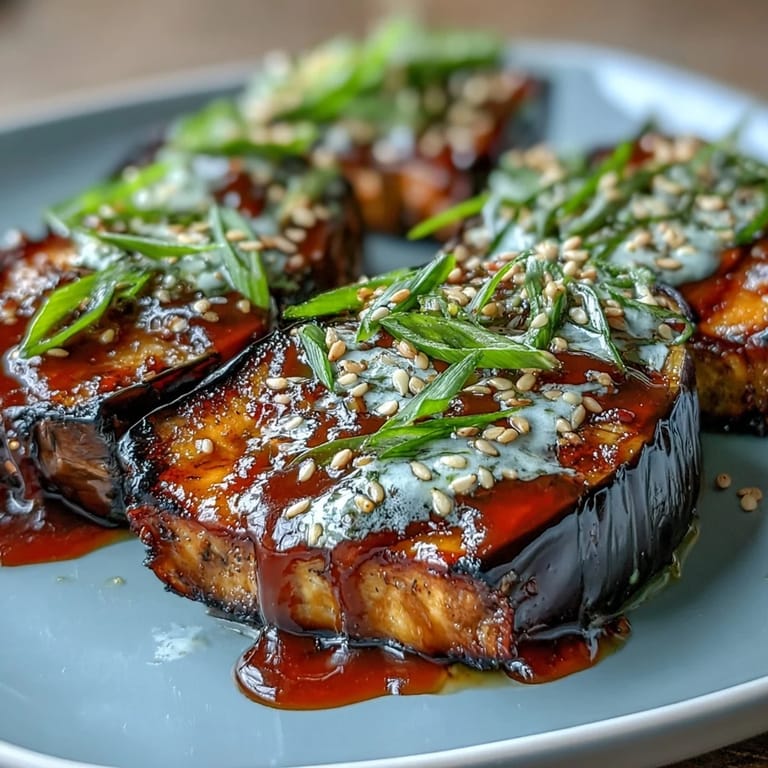
Save Sometimes the simplest kitchen aromas can catch you off guard. That first time I slid these miso-glazed eggplants under the broiler, the sudden wave of caramelizing miso and sesame stopped me in my tracks—so much flavor promised in such a short span of time. I hadn’t planned a grand meal, just wanted an easy side to round out some steamed rice, but the transformation of ordinary eggplant into something savory and sweet felt almost magical. It’s become my go-to when I crave something that tastes like a little celebration on a weekday. Watching the glaze bubble is still my favorite five minutes in the kitchen.
The first time I made this recipe for friends was on a drizzly Saturday, when everyone dropped by unannounced. With just a few ingredients on hand, the kitchen filled with chatter and the smell of roasting eggplant, the kind of effortless comfort only shared food seems to bring.
Ingredients
- Eggplants: Pick ones that feel heavy for their size and have glossy skin for best texture—scoring the flesh helps them drink up the glaze.
- White miso paste (shiro miso): The heart of the glaze; its gentle saltiness keeps the dish subtle and balanced.
- Mirin: Adds that hint of sweetness and depth—if it’s missing, a splash of rice vinegar with a bit of sugar works in a pinch.
- Sake: Brightens everything up, but don’t worry if you only have dry sherry or water; it will still taste fabulous.
- Sugar: Essential for helping the glaze caramelize and blister under the broiler.
- Soy sauce: Rounds out the glaze; tamari is a reliable swap if you need it gluten-free.
- Sesame oil: Just a brush on the eggplant intensifies the nuttiness when it roasts.
- Toasted sesame seeds & green onions (optional): Both add crunch and a burst of color that make the dish pop on the plate.
Tired of Takeout? 🥡
Get 10 meals you can make faster than delivery arrives. Seriously.
One email. No spam. Unsubscribe anytime.
Instructions
- Prep the oven and eggplant:
- Heat up your oven to 400°F (200°C) and cover a baking sheet with parchment—this keeps cleanup easy. Halve your eggplants and make playful crosshatch scores in their flesh, being mindful not to nick the skin.
- Brush and roast:
- Swirl a little sesame oil over the cut sides, nestle them cut side up on the tray, and slide them in the oven. Roast until the inner flesh turns gold at the edges and gives way easily to a fork, about 25 minutes.
- Mix the miso glaze:
- While the eggplant softens, whisk together miso, mirin, sake, sugar, and soy sauce in a small saucepan. Gently heat, stirring, until it’s all shiny and thick—don’t walk away, it comes together fast.
- Spread and broil:
- Coat the just-roasted eggplant halves with a generous layer of the glaze. Broil under high heat for 3–5 minutes—stand by and let the scent tell you when it’s ready, glazed and bubbling but not burnt.
- Serve and garnish:
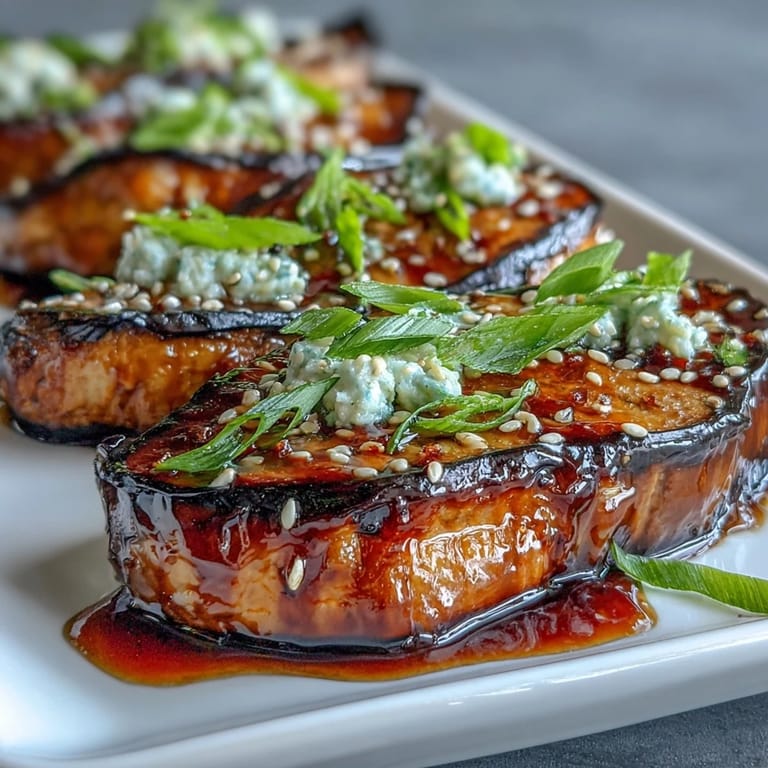
- Transfer to a platter, sprinkle over sesame seeds and sliced green onions if you like, and serve up while still warm for the best experience.
 Save
Save There was this one time the eggplants disappeared before I could even set the rest of the table; someone said they tasted like comfort and adventure all at once. That moment turned a simple side dish into the centerpiece of dinner, and it’s been quietly stealing the show ever since.
How to Get the Tastiest Glaze
If you heat your miso mixture too high, it can split or become grainy, so stay near the stove and keep the heat gentle. Stir until the sugar dissolves and the glaze is glossy—you’ll know it’s right when it can coat the back of your spoon in a thin, golden film.
Making it Your Own
I’ve swapped in red miso for a deeper savor and used maple syrup or honey when sugar was scarce—it never fails to surprise me how customizable this dish is. Topping with pickled ginger or a splash of citrus juice adds a fresh twist for different moods or seasons.
Serving Suggestions and Finishing Touches
I love this most over a scoop of hot rice or layered into a bento with crunchy pickles on the side—there’s just enough glaze to flavor the whole plate. Once, I piled leftovers onto crusty bread for breakfast and topped it with a fried egg—absolutely unexpected, but exactly right.
- Watch the broiler constantly, as the caramelization happens in seconds.
- Double the glaze if you love extra sauce drizzled over rice.
- Leftovers taste even better the next day, eaten cold or reheated gently.
 Save
Save This dish has a way of surprising even the most skeptical eaters. Try it once, and you might end up inventing your own miso-glazed traditions.
Recipe FAQs
- → What type of eggplant works best?
Medium globe or Japanese eggplants are ideal—firm, evenly sized fruits roast to tender, creamy flesh. Japanese varieties are slightly sweeter and cook faster.
- → How do I prevent the eggplant from becoming watery?
Score the flesh in a crosshatch to help steam escape and roast cut side up so moisture evaporates. Avoid overwatering before cooking; light brushing with sesame oil is sufficient.
- → Can I skip broiling and still get caramelization?
You can return the glazed eggplants to a hotter oven setting for a few extra minutes, but broiling gives the quickest, most even caramelization. Watch closely to prevent burning.
- → How can I make the glaze vegan or gluten-free?
Use vegan-certified miso and replace sake with a mirin substitute if needed. Swap soy sauce for tamari to make the glaze gluten-free.
- → How long do leftovers keep and how should I reheat?
Store cooled portions in an airtight container up to 3 days. Reheat under a broiler or in a hot oven to revive the glaze's sheen and texture; microwaving can soften the caramelization.
- → What are good serving suggestions?
Serve warm over steamed rice, with pickled vegetables, or as part of a spread of small dishes. A sprinkle of toasted sesame seeds and sliced green onions adds texture and brightness.