Save
Save There's something about spring that makes you want to pile things on toast. I was standing in my kitchen on a Saturday morning, staring at a bundle of asparagus I'd grabbed at the market, when it hit me—why not turn breakfast into something that felt a little fancy without the fuss? These tartines came together almost by accident, but they've become my go-to move when I want to impress someone without spending an hour at the stove.
I made these for a friend who showed up unannounced on a Tuesday, and the look on her face when I set the plate down—there was this moment of surprise that it was homemade and not from some cafe—that's when I knew this recipe had staying power. She asked for the method before she even finished eating, which is always a good sign.
Ingredients
- Thin asparagus spears (12): Look for ones about the thickness of a pencil—they blanch quickly and have a tender bite that thick spears can't match.
- Shallot (1 small, finely chopped): This adds a soft sweetness that raw onion would overpower, and it mellows even more when sautéed in butter.
- Fresh chives (1 tablespoon, plus extra for garnish): They give you that fresh onion flavor without the harsh edge, and they scatter beautifully on top.
- Large eggs (4): One per tartine, and the fresher they are, the better the yolk will shine through.
- Crème fraîche or Greek yogurt (2 tablespoons): This is what keeps the eggs from becoming rubbery—fold it in after cooking and you get this luxurious, creamy finish.
- Unsalted butter (2 tablespoons): Use real butter here, not oil; it flavors everything it touches.
- Rustic country bread or sourdough (4 slices, about 1/2-inch thick): Thinner bread falls apart under the weight of the toppings, and thicker bread stays sturdy and gives you something to bite into.
- Lemon zest and juice: The zest adds brightness to the eggs before cooking, and the juice at the end ties everything together with a subtle zing.
- Salt and black pepper: Taste as you go—eggs need more seasoning than you'd think.
Tired of Takeout? 🥡
Get 10 meals you can make faster than delivery arrives. Seriously.
One email. No spam. Unsubscribe anytime.
Instructions
- Blanch the asparagus until just tender:
- Bring salted water to a rolling boil, slide in the asparagus, and watch the clock closely—you want them to go from raw to tender-crisp in about 2 to 3 minutes. Drop them immediately into ice water to stop the cooking, or they'll keep softening and lose that snap you're after.
- Toast the bread until golden:
- Whether you use a toaster, toaster oven, or skillet, the bread should be crispy enough to support the eggs without getting soggy. Let it cool for just a moment before you start assembling.
- Sauté the shallots in butter:
- Build a creamy egg base:
- Whisk the eggs lightly—you're not making an omelet, just breaking the yolks. Pour them into the skillet where the shallots are already softening in butter, then stir constantly and gently until the eggs are just set but still have a little shine to them, which takes about 2 to 3 minutes. This is the moment you add the crème fraîche and lemon zest, and folding it in gently keeps everything light and creamy.
- Assemble the tartines:
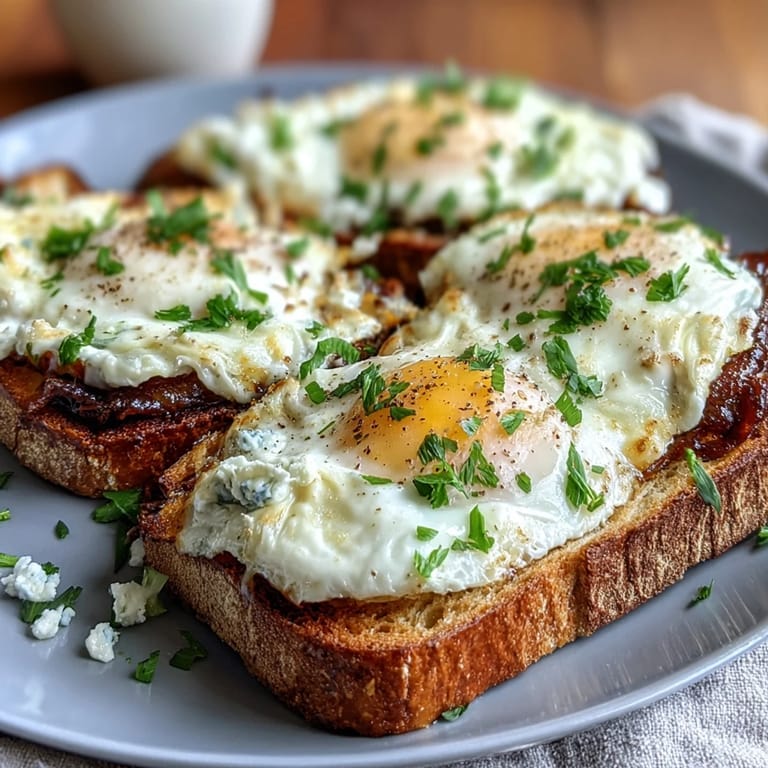
- Spread the warm eggs over each piece of toast, arrange three asparagus spears on top, then finish with a squeeze of fresh lemon juice and a scatter of chives and black pepper. Serve right away while everything is still warm.
 Save
Save There's a quiet elegance to this dish that catches people off guard. It's simple enough that nothing distracts from the quality of each ingredient, but put together in a way that feels intentional and a little bit special.
Why Asparagus and Eggs Make Sense Together
Eggs and asparagus have been paired in French cooking for ages, and there's a reason for that—the earthiness of asparagus plays beautifully against the richness of eggs. When you blanch the asparagus first, you're actually making it taste more like itself, concentrating its flavor instead of leaching it away. The creamy egg mixture becomes a vehicle for that flavor, and the bread anchors everything so you're not just eating soft food.
Timing and Temperature Matter
I learned the hard way that if your eggs are cooked too far ahead, they start to separate and look a little sad by the time you eat them. Cook them last, right before you're ready to plate, so they're still steaming when they hit the toast. The warmth of the eggs slightly softens the asparagus too, bringing everything into harmony on the plate.
Small Changes That Make a Difference
This recipe is forgiving, but there are a few tweaks that push it from good to memorable. A sprinkle of Parmesan adds a salty depth, fresh dill swapped for chives brings an entirely different mood, and if you have access to really good bread, it becomes the star instead of just a vehicle.
- If you can't find thin asparagus, blanch thick spears for an extra minute or cut them lengthwise to speed up cooking.
- A dash of white wine or vermouth in the pan with the shallots adds complexity without being obvious.
- Serve this with something cold and crisp to drink—a Sauvignon Blanc is classic for a reason.
 Save
Save This is the kind of dish that turns an ordinary morning into something worth remembering. Make it for yourself on a quiet weekend, or surprise someone with it—either way, you'll understand why it's become my favorite excuse to spend a little extra time at the stove.
Recipe FAQs
- → How do I blanch asparagus properly?
Boil asparagus for 2-3 minutes until tender-crisp, then immediately transfer to ice water to stop cooking and preserve color.
- → What type of bread works best for this dish?
Rustic country bread or sourdough, sliced about 1/2-inch thick, provides the ideal sturdy base and crisp texture.
- → How can I achieve creamy eggs like in this dish?
Cook eggs gently over medium heat, stirring constantly until softly set, then fold in crème fraîche or Greek yogurt for richness.
- → Can I substitute fresh herbs in this preparation?
Yes, chives can be replaced with dill, tarragon, or parsley to vary the herbal note while maintaining freshness.
- → What additional toppings enhance the flavor?
Grated Parmesan or crumbled goat cheese adds a savory depth when sprinkled on top just before serving.