 Save
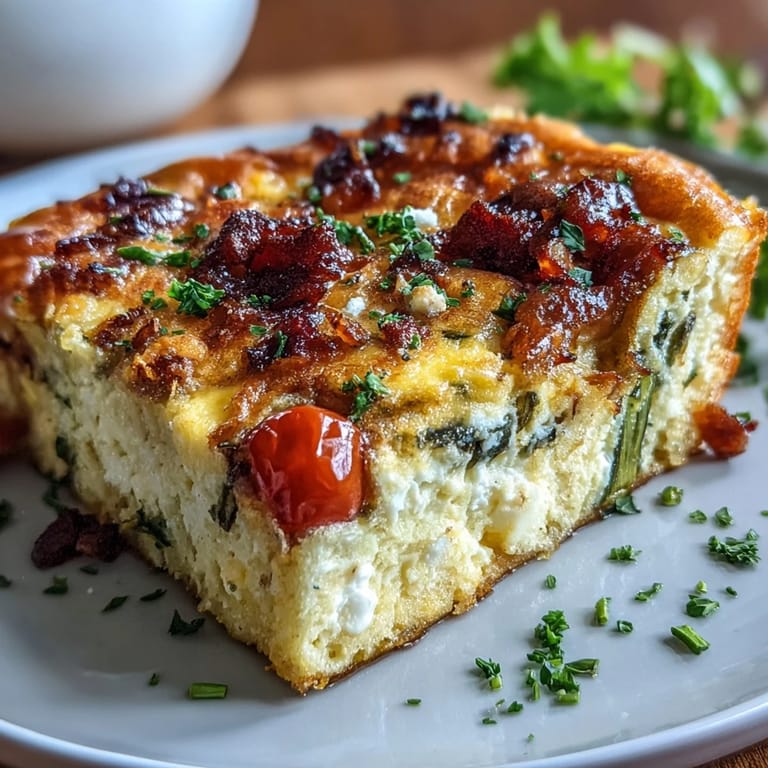
Save When the late March sunlight started streaming across my kitchen counter last year, I found myself craving something bright, fresh, and easy to share with family waking up gently on Easter morning. My first attempt at a sheet pan frittata was purely practical: the fridge was overflowing with vegetables, and I didn't want to fuss with the stove while hosting. As the frittata puffed golden in the oven, the scent of herbs mingled with roasted asparagus, reminding me how good it feels to let the oven do the work. That morning, I heard laughter drifting in from the backyard just as I sliced generous squares for everyone. Turns out, a humble sheet pan can feel unexpectedly festive when filled with sunny flavors and cheerful company.
One spring, a friend joined me in the kitchen to catch up while we chopped peppers and whisked eggs, music humming in the background. We assembled the frittata in easy stages, chatting as colors piled up on the pan, and I realized how much lighter brunch feels when prep never gets complicated. Even as steam fogged the windows, we found ourselves lingering over coffee, nibbling squares of frittata long after the plates were cleared. The mellow warmth of the oven and the gentle sizzle of vegetables frying created a rhythm we’d repeat at the next gathering. That day, laughter filled the space as much as the aroma of fresh bread and herbs.
Ingredients
- Asparagus: Bright and crisp, asparagus sets the tone for a spring frittata; trim and cut it evenly so it cooks through quickly.
- Cherry tomatoes: Their juicy pop adds color and sweetness; halving helps distribute them in every bite.
- Bell peppers (red and/or yellow): For crunch and brightness; dicing the peppers makes sure they roast evenly.
- Baby spinach: Wilts beautifully and boosts nutrition; a rough chop prevents stringy bits.
- Red onion: Its sharp sweetness mellows in the sauté; thin slicing helps it blend into the mix.
- Eggs: The foundation of the frittata; whisk until just frothy for a tender, fluffy result.
- Whole milk: Adds creaminess; use at room temperature so the eggs don’t seize up.
- Feta cheese (or goat cheese): Tangy and salty, feta melts into pockets of flavor; crumble it by hand so it's evenly dispersed.
- Parmesan cheese: A little umami boost that sharpens the overall flavor.
- Olive oil: For sautéing the veggies and to prevent sticking; I reach for a fruity extra-virgin olive oil.
- Fresh chives: Lend a subtle onion note; chop them fine for even flavor.
- Fresh parsley: Brightens the whole dish; rinsed and patted dry helps it chop easily.
- Salt: Boosts every ingredient; season the eggs first to distribute flavor throughout.
- Black pepper: Freshly ground adds a gentle heat; adjust based on preference.
- Smoked paprika (optional): A pinch transforms the aroma and color, but the frittata is delightful either way.
Tired of Takeout? 🥡
Get 10 meals you can make faster than delivery arrives. Seriously.
One email. No spam. Unsubscribe anytime.
Instructions
- Get Your Oven Ready:
- Preheat to 400 F (200 C) and line a rimmed sheet pan with parchment or a slick of olive oil so nothing sticks.
- Mix the Egg Base:
- Whisk eggs, milk, salt, pepper, and smoked paprika in a large bowl until smooth and slightly bubbly; you’ll hear the gentle slosh when it’s ready.
- Add Cheese and Herbs:
- Stir in crumbled feta or goat cheese, grated Parmesan, chives, and parsley to infuse every bite with flavor.
- Sauté the Veggies:
- Heat olive oil in a skillet, then toss in asparagus, bell peppers, and red onion, letting their colors glow as you stir for 3–4 minutes; add spinach and cook just until wilted.
- Layer the Sheet Pan:
- Scatter the sautéed vegetables and cherry tomatoes evenly over the pan—this is when the dish looks its most cheerful.
- Pour and Shuffle:
- Slowly pour the egg mixture over the veggies, nudging things gently for an even spread; a gentle shake helps level it out.
- Bake to Golden Puffiness:
- Slide the pan into the oven and bake 22–25 minutes, watching as the edges rise and turn gold, the aroma drawing people to the kitchen.
- Cool and Slice:
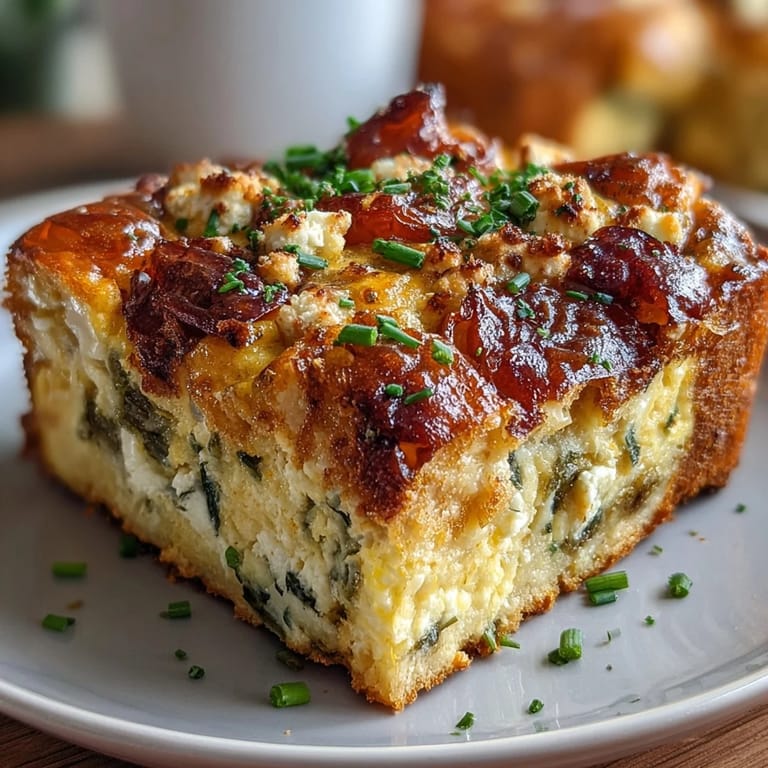
- Let cool 5 minutes before slicing into generous squares; the first cut will reveal a soft, colorful mosaic.
 Save
Save There was a quiet moment when I watched my youngest niece select a piece topped with the brightest cherry tomato, and she grinned as the flavors mingled perfectly for her. Serving the frittata at that table made it more than just a brunch—it became a centerpiece for conversation, with bites punctuated by shared smiles and springtime stories.
Making It Work with What You Have
One of the happiest discoveries was realizing this frittata forgives substitutions and improvisations—if you have leftover veggies or different cheeses, toss them in. Don’t stress about precision; the sheet pan frees you from perfection and turns every bake into something new. That willingness to wing it led me to try artichoke hearts and a dash of dill one Sunday, and it may be my favorite version yet. Even broccoli stems, thinly sliced, join the party if that’s what’s in the crisper. Brunch feels lighter when you bend the rules a little.
Serving Suggestions to Take It Over the Top
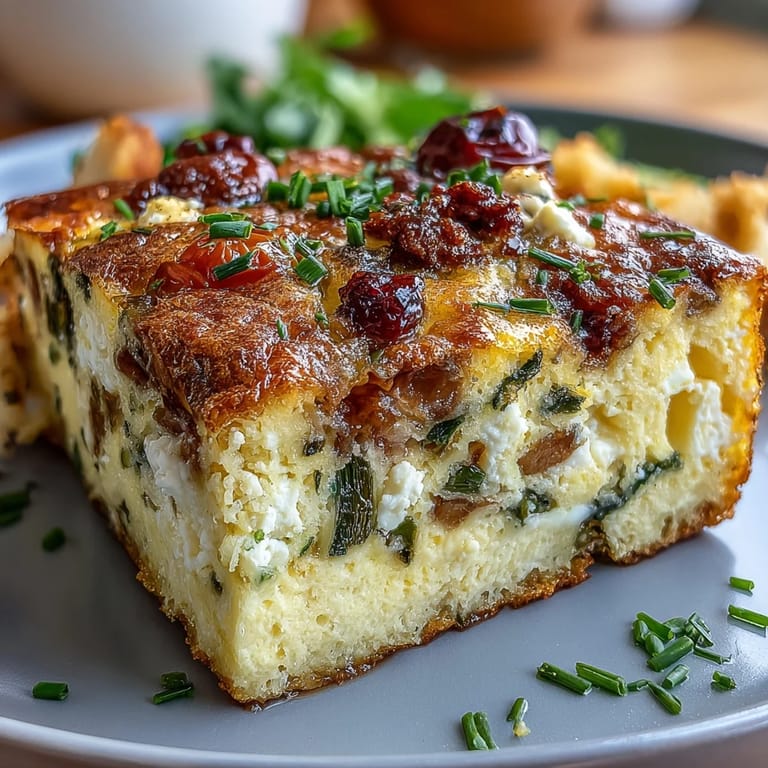
I love piling the warm, colorful squares onto a platter and letting guests choose their pieces, but this frittata works at room temperature too—which means it shines for picnics, potlucks, or holiday tables. If you tuck a bright green salad alongside or offer crusty bread to mop up every crumb, you’ll have a meal that feels like the first real breath of spring. At our house, a simple yogurt sauce with lemon and herbs lifts the flavors even more. Some days, I wrap leftovers for an easy lunch, and the frittata somehow tastes even better next to a mug of afternoon tea. The possibilities make each serving feel a little bit celebratory.
Handling Leftovers and Prep Ahead
An unexpected bonus of this sheet pan frittata is how well it keeps—meaning you can make it the night before, stash it in the fridge, and still enjoy fluffy squares days later. Reheating brings the herbs back to life, so every slice feels freshly made all over again. Don’t forget to let it cool fully before storing for best texture.
- For the best flavor, bring leftovers to room temperature or warm gently in the oven, not the microwave.
- Press a fresh piece of parchment between slices to keep them nice and neat in the fridge.
- Make a double batch when feeding a crowd—they disappear faster than you think.
 Save
Save Whether you’re hosting a lively brunch or just welcoming a bit more color to your day, this sheet pan frittata brings the promise of spring straight to your plate. Here’s to meals that feel like a fresh start, one slice at a time.
Recipe FAQs
- → How do I avoid a soggy center?
Sauté vegetables until just tender to remove excess moisture, drain any released liquid, and be sure the egg mixture is well whisked. Bake until the center is set and a knife comes out clean; a few minutes extra in the oven helps firm the center without drying edges.
- → Can I make this ahead of time?
Yes. Bake and let cool, then refrigerate in an airtight container for up to 3 days. Reheat gently in a low oven or serve at room temperature. Slices hold shape well for brunch service.
- → What are good vegetable substitutions?
Use seasonal options like zucchini, peas, artichoke hearts, or roasted mushrooms. Adjust sauté time for denser vegetables and cut them into uniform pieces for even distribution.
- → Which cheeses work best?
Crumbled feta or goat cheese adds tang and creaminess; grated Parmesan gives savory depth. For a milder profile, swap in shredded cheddar. Choose cheeses that melt without releasing excess oil.
- → Is the pan size important?
Yes. Use a rimmed sheet pan close to 18x13 inches to match the egg depth and cooking time. A smaller pan yields a thicker bake and may need extra baking time; a larger pan will thin the custard and reduce baking time.
- → Can this be frozen?
Freeze cooled, tightly wrapped slices for up to 2 months. Thaw overnight in the fridge and reheat gently. Texture is best if reheated slowly to retain moisture.