 Save
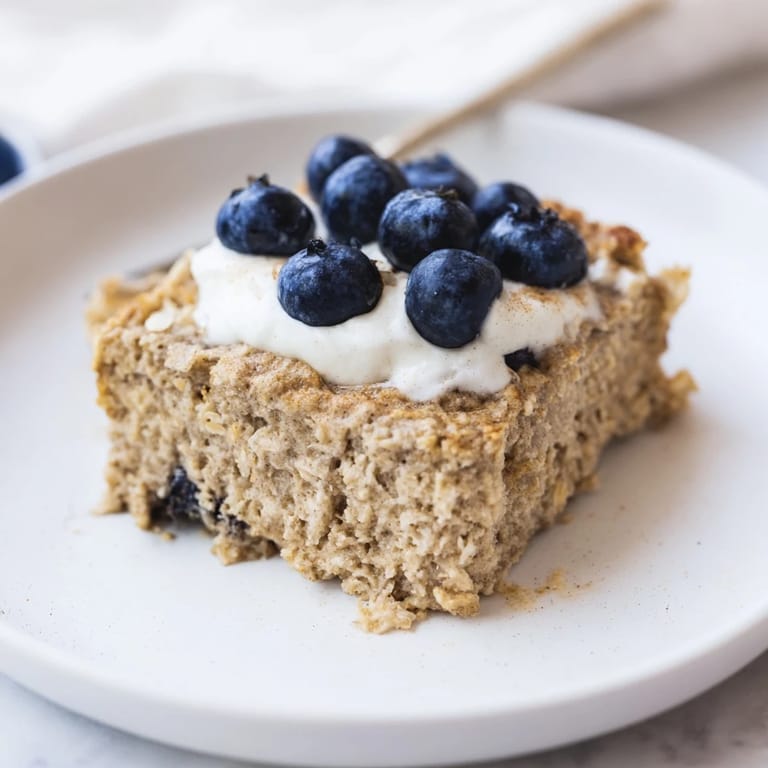
Save I stumbled onto this recipe on a Tuesday morning when I'd overslept and needed something that felt like dessert but packed actual nutrition. My roommate had just bought a protein powder and kept staring at it like it was a puzzle piece that didn't fit anywhere, so I wondered: what if I just threw breakfast into a blender and baked it? Twenty minutes later, the kitchen smelled like cinnamon and possibility, and I pulled out what looked like a fluffy coffee cake. We ate it warm with our hands like it was contraband, and that's how this became our go-to lazy-but-still-impressive breakfast.
The first time I made this for someone else was a Saturday brunch when my sister announced she was training for a half-marathon and everything she ate had to justify its existence nutritionally. I set this down in front of her still warm, the edges barely golden, and watched her eyebrows go up. She ate three pieces and asked for the recipe before she'd finished her coffee. Now whenever she visits, she arrives with Greek yogurt and a hopeful look.
Ingredients
- Rolled oats: Blending them into flour is where the magic starts—it creates a tender crumb instead of a gritty texture, and honestly, it makes you feel like you're doing something special even though it's just a blender doing its job.
- Eggs: These provide the structure and richness; two large ones give you that custard-like interior, not a dry sponge.
- Greek yogurt: Don't skip this or substitute regular yogurt—the thick creaminess keeps everything moist and adds protein without watering down the batter like milk alone would.
- Protein powder: Vanilla or unflavored both work beautifully; vanilla adds a subtle sweetness that pairs perfectly with cinnamon, but if you're nervous about extra flavor, unflavored is your friend.
- Milk: Use whatever you have on hand—dairy, almond, oat milk, coconut; they all work because you've got the yogurt doing the heavy lifting for creaminess.
- Maple syrup or honey: These dissolve into the batter smoothly and give a gentle sweetness that lets the oat flavor come through instead of tasting like dessert.
- Baking powder: Just one teaspoon lifts the whole thing without making it rise unevenly like a layer cake would.
- Cinnamon and vanilla: Both optional technically, but I'd argue they're essential—cinnamon especially gives it that warm, comfortable flavor that makes people feel like you spent way more time on this than you actually did.
- Optional add-ins: Blueberries get jammy around the edges, chocolate chips melt into little pockets of luxury, and chopped pecans add a textural contrast that keeps it interesting on day two.
Tired of Takeout? 🥡
Get 10 meals you can make faster than delivery arrives. Seriously.
One email. No spam. Unsubscribe anytime.
Instructions
- Start with the oats:
- Dump your rolled oats into the blender and let it run for about a minute until they look like coarse flour—you want some texture, not powdered sugar consistency. This step is crucial because it's what keeps this from tasting like protein pudding and instead tastes like something baked and intentional.
- Build the dry base:
- Add your baking powder, salt, and cinnamon straight into that oat flour and pulse a few times just to mix. You don't need to blend hard; you're just making sure the leavening and spice are distributed evenly so no bite is ever bland or overly spiced.
- Make the wet mixture:
- Pour in your eggs, milk, Greek yogurt, maple syrup, vanilla, and protein powder, then blend until you've got a smooth, pourable batter that looks like thick pancake batter. This usually takes about a minute of blending, and you want everything completely combined—no dry streaks of protein powder hiding in corners.
- Prepare your vessel:
- While the oven preheats to 350°F, grease your 8x8-inch baking dish generously with butter or oil so the edges don't stick and get lost. A parchment paper sling works too if you want to be fancy about it.
- Combine and rest:
- Pour your batter into the prepared dish, then gently fold in any add-ins—berries, chocolate chips, nuts, whatever you're using—so they're distributed throughout rather than sinking to the bottom or floating at the top. This folding moment is meditative; take your time.
- Into the oven:
- Slide the whole thing into that 350°F oven and set a timer for 22 to 25 minutes. You'll know it's done when the center barely jiggles if you nudge the pan, and the top has turned a light golden color with maybe a few cracks on the surface.
- Rest and serve:
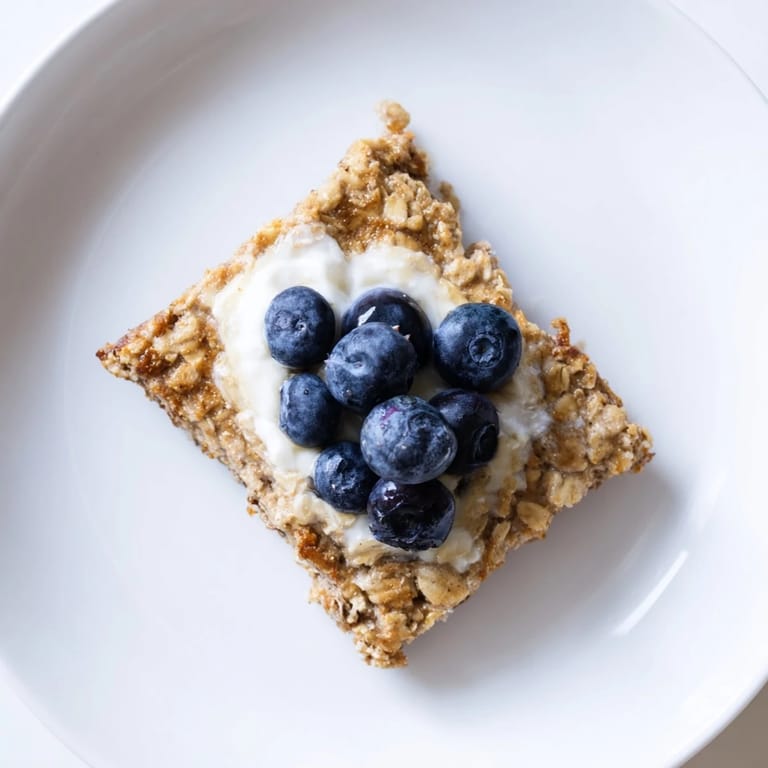
- Let it sit for five minutes—this helps it set and makes it actually sliceable instead of a molten situation—then cut into squares and serve warm with whatever makes you happy: fresh berries, an extra dollop of yogurt, a drizzle of honey, or nothing at all because it's already pretty perfect.
 Save
Save There's something about pulling this out of the oven on a quiet morning that just feels like self-care, even though you barely did anything. The smell fills your whole kitchen—cinnamon and vanilla and something baking that announces itself to everyone in the house—and suddenly breakfast feels like an event instead of something you're rushing through before work. That moment when you realize you made something that tastes indulgent but actually nourished your body properly? That's the real win here.
Why This Works as a Breakfast
Most breakfast dishes are either quick and nutritionally sad, or they require a whole morning's planning and attention. This sits in this weird, perfect middle ground where it genuinely takes less active time than scrambling eggs, but tastes like you made an effort. The protein powder dissolves completely into the batter instead of creating that sandy texture, the Greek yogurt keeps everything moist for days, and the oats give you the kind of staying power that means you won't be raiding the snack cabinet at 10 a.m. It's basically tricking yourself into eating well, which is kind of the dream.
Make It Your Own
This recipe is genuinely adaptable to whatever phase your kitchen is in. Out of Greek yogurt? Use sour cream or cottage cheese blended smooth. No protein powder? It's not essential, just skip it and maybe add an extra egg for structure. Don't like cinnamon? Try cardamom, nutmeg, or a tiny pinch of ginger. The oat base is the only thing that's really non-negotiable, and even then, you could probably swap in some rolled wheat or spelt if you were feeling experimental.
Storing and Reheating
This actually gets better with time because the flavors settle and distribute more evenly, which is a rare thing in breakfast food. It keeps in the fridge for three or four days covered, and you can eat it cold straight from the container like a snack, or reheat a piece in the microwave for twenty seconds and it'll taste almost as good as fresh. You can also freeze individual squares for up to a month, then thaw them overnight or microwave from frozen on a morning when you really didn't plan ahead but still want something substantial.
- Store covered in the refrigerator for up to four days, or wrap individual pieces in plastic wrap and freeze for a month of grab-and-go mornings.
- Reheat from cold in the microwave for fifteen to twenty seconds, or let it come to room temperature naturally for a texture that's almost like it was just baked.
- Eat it straight from the fridge if you like it dense and more cake-like, or warm for that softer, almost bread-pudding quality.
 Save
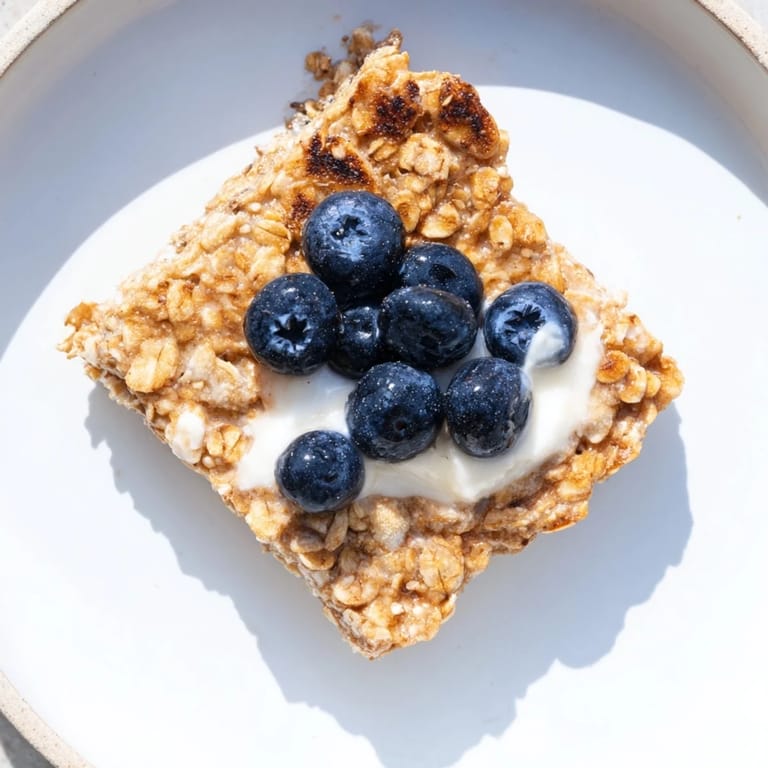
Save This recipe became my answer to people who said they didn't have time to eat well, or that protein pancakes had to be complicated. It's proof that real food doesn't require performance, just intention and a blender. Every time someone makes this and comes back surprised by how good it is, I know they've found their new breakfast answer too.
Recipe FAQs
- → Can I use gluten-free oats?
Yes, certified gluten-free rolled oats work equally well to maintain this dish’s texture and flavor.
- → How do I make a vegan version?
Replace eggs with flax eggs and use plant-based milk and yogurt for a vegan-friendly option.
- → What are good add-ins to enhance flavor?
Blueberries, chocolate chips, or chopped nuts add texture and taste, folded gently into the batter before baking.
- → Can I substitute protein powder?
Yes, both vanilla and unflavored protein powders blend well, but ensure any dietary restrictions are considered.
- → What is the best way to serve this dish?
Serve warm, topped with fresh fruit, an extra drizzle of syrup, or a dollop of yogurt for added richness.