 Save
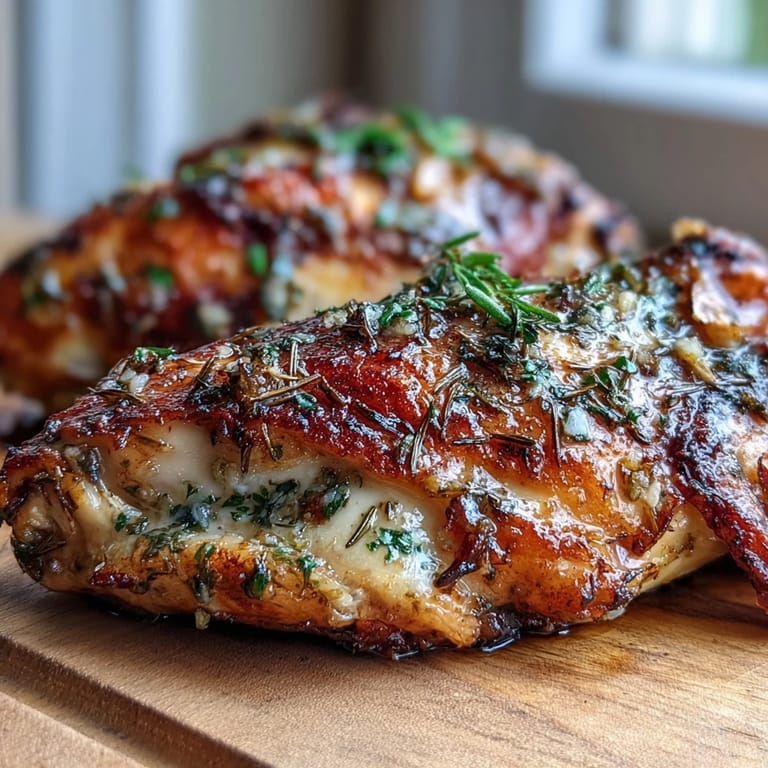
Save The perfume of fresh herbs and roasting chicken has a way of pulling people into the kitchen, even if they swore they had better things to do. When I first tried nestling herb butter under the skin of a whole chicken, it felt mischievous—like tucking away a secret ingredient. The preserved lemon was a spontaneous addition inspired by a jar I'd neglected on the fridge door, and its bright punch was the twist I didn’t know I needed. There's nothing quite like hearing the sizzle as the bird hits the hot oven, the promise of that shatteringly crisp skin. This is my go-to for weekends when I want both comfort and a little wow factor at the table.
Once, on a drizzly autumn Sunday, friends arrived an hour early and caught me in the chaotic thick of herb-chopping. Their laughter mixed with the scent of garlic and thyme, and suddenly the kitchen felt like the best place to be—not something to be hidden until everything was 'just so.'
Ingredients
- Unsalted butter: Using butter at room temperature lets you mash in herbs until they're one, making the skin luxuriously crisp and flavorful.
- Fresh parsley, thyme, rosemary: I always chop these right before using—they release much more aroma and avoid bitterness from earlier prep.
- Garlic cloves: Finely mincing by hand gives you little bursts of flavor without overwhelming each bite.
- Preserved lemon: The rind’s salt-citrus punch is essential, but if you can’t find it, lemon zest works; the flavor will be gentler and less briny.
- Sea salt & black pepper: Sprinkle with a confident hand; these bring everything together.
- Whole chicken: Letting it come up from fridge-chill for 30 minutes before roasting guarantees even cooking (I learned the hard way).
- Onion & lemon: These lock moisture in the cavity and lend depth to the pan juices—no more dry chicken.
- Olive oil: A glossy drizzle turns ordinary skin into magazine-cover territory.
- Fresh herb sprigs: Stuff these in the cavity for extra aromatic steam as the chicken roasts.
- Carrots, celery, onion (for pan): Think of these as both rack and future side dish; their roasted sweetness is a reward for your patience.
- Dry white wine or broth: This steams the bottom of the chicken, prevents burning, and creates the best sauce.
Tired of Takeout? 🥡
Get 10 meals you can make faster than delivery arrives. Seriously.
One email. No spam. Unsubscribe anytime.
Instructions
- Fire Up the Oven:
- Set your oven to 220°C (425°F) and listen for that gentle hum as it preheats—the perfect backdrop to your prep frenzy.
- Make the Herb Butter:
- Mix the softened butter with chopped herbs, garlic, preserved lemon, salt, and pepper in a bowl; you’ll know it’s ready when the smell makes your eyes close for a moment.
- Butter Up the Chicken:
- Carefully slide your fingers under the skin to loosen it, then massage two-thirds of the herb butter beneath, smoothing it over every bit of meat you can reach. Smear the remaining butter over the outside, getting into every crease.
- Stuff and Tie:
- Fill the chicken cavity with preserved lemon wedges, onion, halved lemon, and the fresh herb sprigs. Use kitchen twine to tie the legs together snuggly and tuck the wings underneath so they don’t burn.
- Build the Roasting Bed:
- Scatter carrots, celery, and onion into your roasting pan, then pour in the wine or broth—the scent starts to give away your secret already.
- Set Up the Chicken:
- Rest the chicken breast-side up on top of the veggies and give it a final olive oil drizzle. Generously sprinkle salt and pepper on top, picturing the crust it’ll create.
- Roast and Baste:
- Roast for 20 minutes at high heat, then lower the oven to 180°C (350°F) and roast for 1 hour, basting occasionally with pan juices until the skin is cracking and golden.
- Rest and Serve:
- Let the chicken rest under a loose foil tent for 15 minutes— resisting the urge to carve right away pays off—then serve with the luscious juices and those caramelized veggies.
 Save
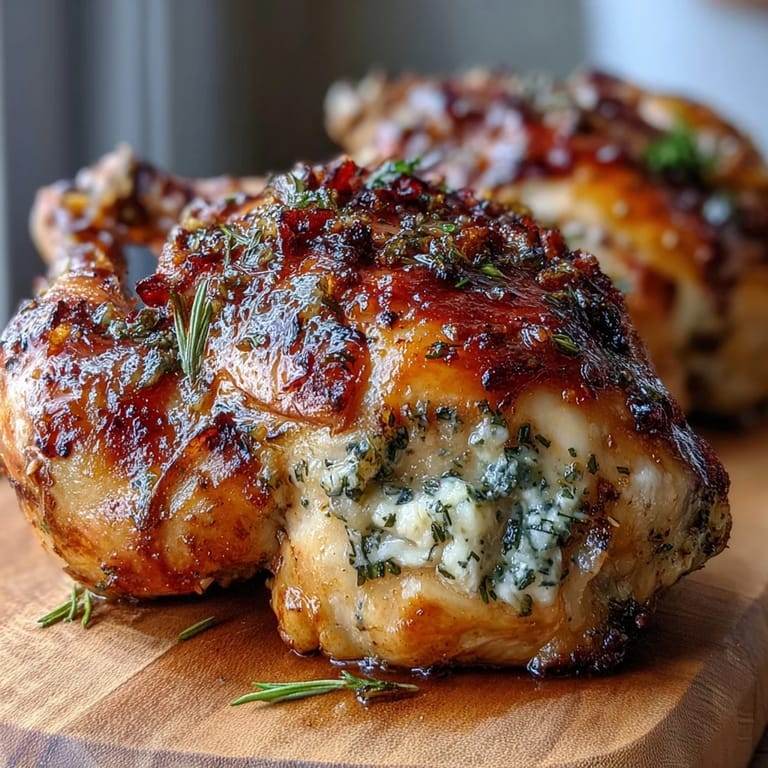
Save The very first time this chicken came out of my oven, we tore into it at the table, citrusy juices running everywhere, and the quiet after the first bite was pure approval—no words needed, just a grin around the room.
How to Avoid Dry Chicken
Letting the meat rest is like leaving a good book closed for a while—it allows the juices to settle back without rushing out at the first cut. Tent it loosely with foil and circle the table, telling everyone the feast is imminent.
Getting the Most From Pan Juices
The vegetables at the bottom become gold: scoop them out and toss them in the juices, or mash them for a rustic sauce. If you want even more depth, skim most of the fat and let the sauce bubble a few minutes on the stovetop before serving.
Last Touches Before Serving
Don’t forget to carve against the grain for juicy slices, and keep a small bowl around to catch extra pan juices for drizzling. No matter how casual the night, bringing the whole chicken to the table for carving always grabs attention.
- If the skin isn’t crisp enough, a quick blast under the broiler sorts it out.
- Chop up leftover chicken for sandwiches or salads the next day—it stays flavorful.
- Keep the bones for homemade stock; the citrus-herb flavor is unbeatable.
 Save
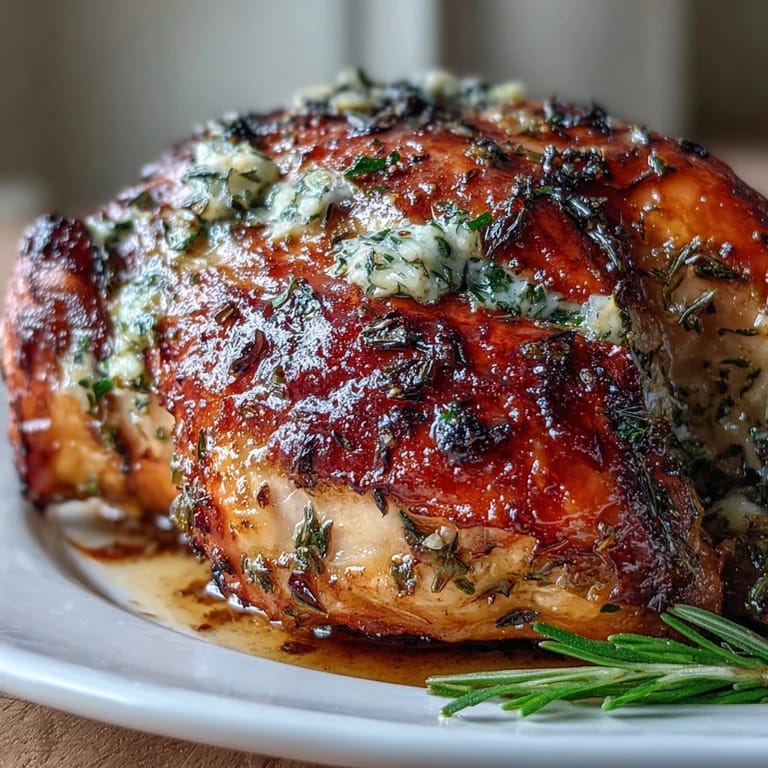
Save Even when the rain is coming down sideways, this roast chicken turns a simple night in into a small celebration. Leftovers—if there are any—never last long.