 Save
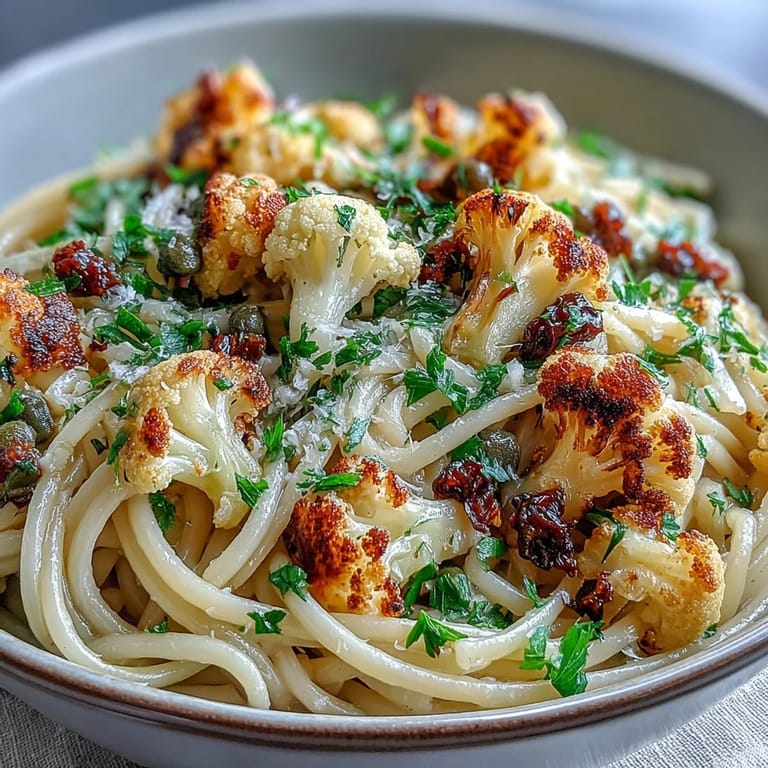
Save There was a Tuesday evening when I stood in front of my fridge, staring at half a cauliflower and a small tin of anchovies I'd been avoiding. I wasn't sure what possessed me to toss raisins into the mix, but something about the combination felt right in that reckless, hungry way. The kitchen filled with the smell of roasting cauliflower, and by the time I twirled the first forkful, I knew I'd stumbled onto something I'd make again and again. It's funny how the best recipes sometimes come from near-empty pantries and a willingness to trust your instincts.
I made this for friends who claimed they hated anchovies, and they cleaned their plates without knowing what they'd eaten. We sat around the table longer than usual that night, pouring more wine and talking about how food can trick you into loving things you thought you didn't. One of them asked for the recipe three times before finally texting me the next morning. It became my secret weapon for dinner parties, the dish that makes people lean back and ask what's in this.
Ingredients
- Whole wheat spaghetti: The nutty flavor of whole wheat stands up beautifully to the bold ingredients, and it holds onto the sauce better than regular pasta.
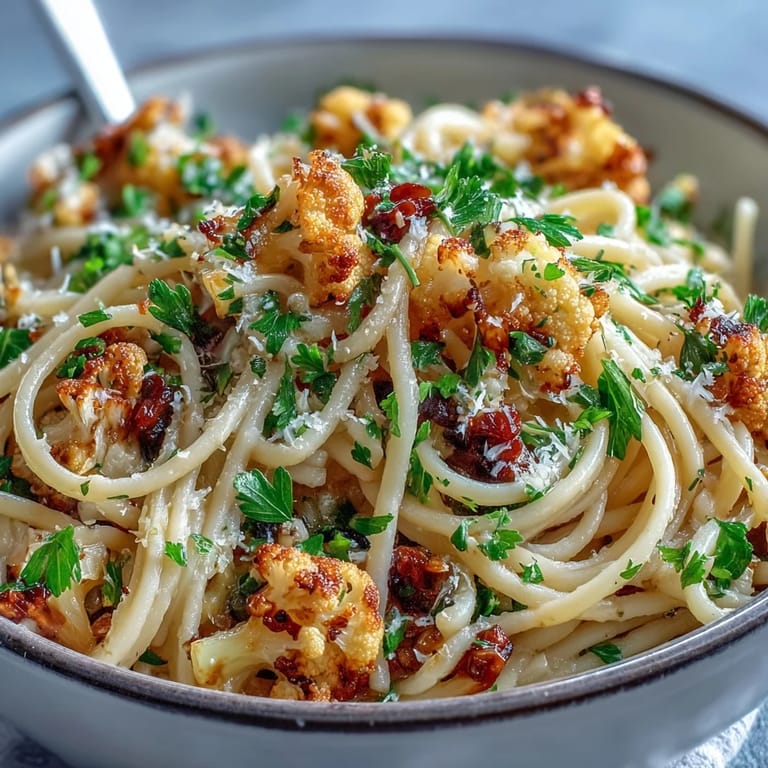
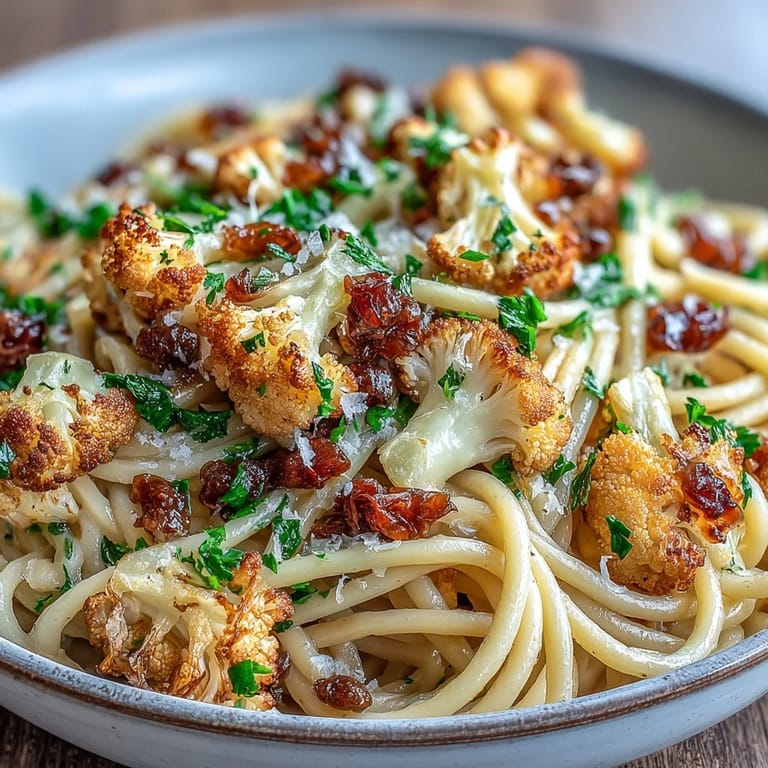
- Cauliflower: Roasting transforms it from bland to sweet and golden, with crispy edges that add texture to every forkful.
- Anchovy fillets: They dissolve into the oil and become pure umami, the secret ingredient that makes people wonder what magic you used.
- Raisins: These little bursts of sweetness balance the salty anchovies and capers in a way that feels almost Mediterranean.
- Capers: Briny and bright, they add little pops of acidity that cut through the richness.
- Garlic and red chili: The garlic turns mellow and fragrant in the oil, while the chili adds just enough heat to keep things lively.
- Lemon zest: A final shower of zest wakes everything up and ties the flavors together with brightness.
- Flat-leaf parsley: Fresh and grassy, it adds color and a hint of freshness that balances the deeper flavors.
- Extra virgin olive oil: Use a good one, it becomes the sauce base and carries all the flavors in each strand of pasta.
Tired of Takeout? 🥡
Get 10 meals you can make faster than delivery arrives. Seriously.
One email. No spam. Unsubscribe anytime.
Instructions
- Roast the cauliflower:
- Preheat your oven to 220°C and toss the florets with olive oil, salt, and pepper until they glisten. Spread them out on a baking sheet so they have room to breathe and roast for 18 to 20 minutes, flipping halfway, until they're golden and smell like toasted nuts.
- Cook the pasta:
- Bring a big pot of salted water to a rolling boil and cook the spaghetti until it's just al dente, with a little bite still in the center. Before you drain it, scoop out half a cup of that starchy pasta water, it's liquid gold for bringing the sauce together.
- Build the sauce base:
- Heat the remaining olive oil in a large skillet over medium heat, then add the garlic and chili, stirring until the kitchen smells amazing, about a minute. Toss in the anchovies and capers, stirring and pressing them with your spoon until the anchovies melt into the oil like they were never there.
- Combine everything:
- Stir in the raisins and roasted cauliflower, tossing gently so the florets stay intact, then add the drained spaghetti and a good splash of that reserved pasta water. Toss everything together over low heat until the pasta is coated and glossy, adding more water if it looks dry.
- Finish and serve:
- Pull the pan off the heat and shower in the lemon zest and chopped parsley, tossing one last time. Taste it, adjust the salt and pepper, and serve it immediately while it's steaming and fragrant.
 Save
Save 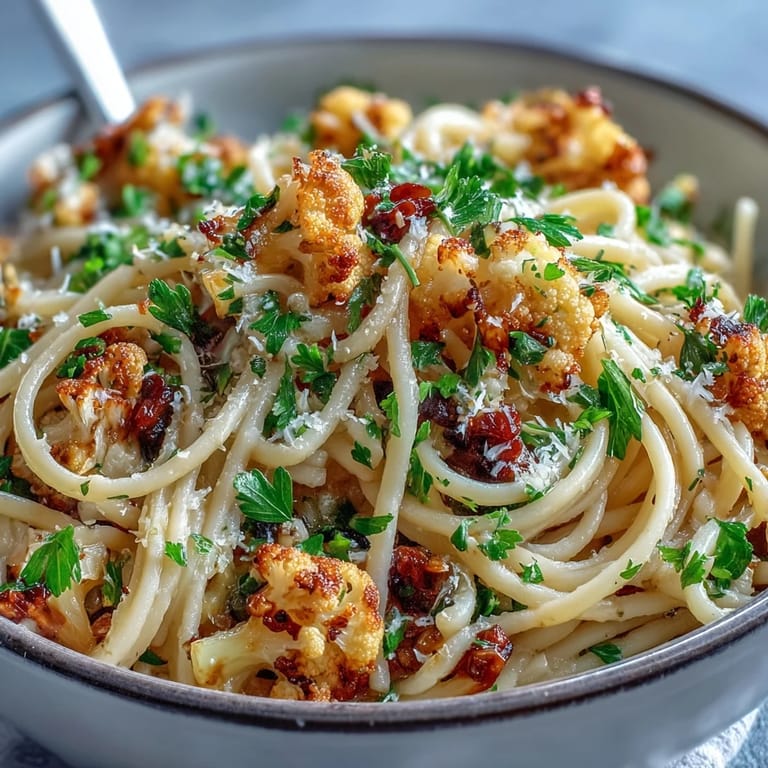 Save
Save The first time I served this to my mom, she paused mid-bite and looked at me like I'd just revealed a secret. She said it reminded her of something her grandmother used to make in Sicily, though she couldn't quite place it. We sat there in the afternoon light, and she told me stories about her nonna's kitchen while scraping the last bits of sauce from her bowl. That's when I realized food doesn't just feed you, it opens little doors to the past.
Choosing Your Cauliflower
Look for a head that feels heavy for its size with tight, creamy white florets and bright green leaves still attached. I've learned the hard way that older cauliflower with brown spots or loose florets won't roast as well, it tends to turn mushy instead of crispy. If you can only find pre-cut florets, make sure they're firm and dry, not sitting in a pool of water in the bag. The fresher the cauliflower, the sweeter and nuttier it tastes when it hits the high heat of your oven.
Getting Comfortable with Anchovies
I used to be terrified of anchovies until a chef friend told me to think of them as salt with soul. When you cook them in warm oil, they dissolve completely and leave behind this deep, savory richness that doesn't scream fish at all. If you're nervous, start with four fillets instead of six and taste as you go. Rinse them quickly under cold water if they seem too intense, and remember that once they melt into the garlic and oil, they become the backbone of flavor that makes people ask for seconds.
Making It Your Own
This dish is forgiving and loves a little improvisation once you understand the balance of sweet, salty, and savory. Sometimes I toss in toasted pine nuts for crunch or swap the raisins for dried currants when I want something a bit more tart. A handful of toasted breadcrumbs on top adds texture and soaks up the olive oil in the most satisfying way.
- Try golden raisins or chopped dried apricots for a different kind of sweetness.
- Add a handful of arugula at the end for a peppery bite that wilts into the warm pasta.
- If you want it richer, stir in a tablespoon of butter just before serving for a silky finish.
 Save
Save 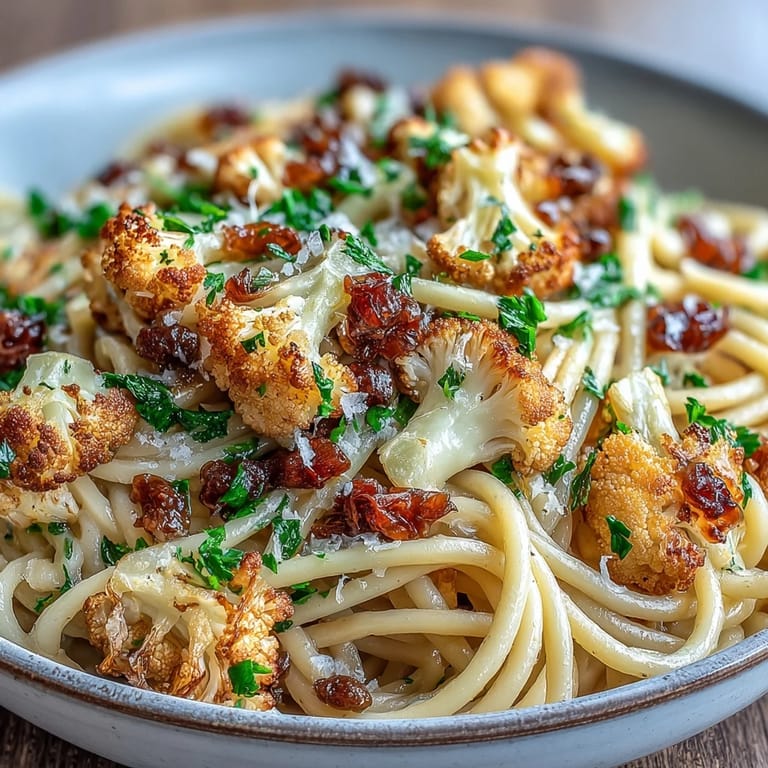 Save
Save This is the kind of dish that makes weeknight cooking feel less like a chore and more like a small celebration. I hope it finds a place in your rotation and surprises you the way it surprised me.
Recipe FAQs
- → Can I substitute the anchovies with another ingredient?
While anchovies provide essential umami depth, you can substitute with 1-2 teaspoons of anchovy paste or use sun-dried tomatoes for a vegetarian version, though the flavor profile will change.
- → How do I prevent the cauliflower from becoming mushy?
Roast the cauliflower at high heat (220°C/425°F) and avoid overcrowding the baking sheet. Turn the florets once during roasting to ensure even caramelization and maintain texture.
- → Can I make this dish ahead of time?
This pasta is best served fresh. However, you can roast the cauliflower up to 2 days ahead and store it refrigerated. Reheat gently before combining with freshly cooked pasta.
- → What type of raisins work best for this dish?
Regular dark raisins work perfectly, but golden raisins or currants offer a slightly different sweetness. Soak them in warm water for 10 minutes beforehand to plump them up for better texture.
- → How can I add more protein to this meal?
Add chickpeas during the final toss, crumble in some ricotta salata on top, or serve with grilled white fish on the side to complement the anchovy flavors.
- → What wine pairs best with this pasta?
A crisp, dry white wine like Verdicchio or Pinot Grigio complements the savory anchovies and sweet raisins beautifully. For red wine lovers, try a light Sicilian red.