 Save
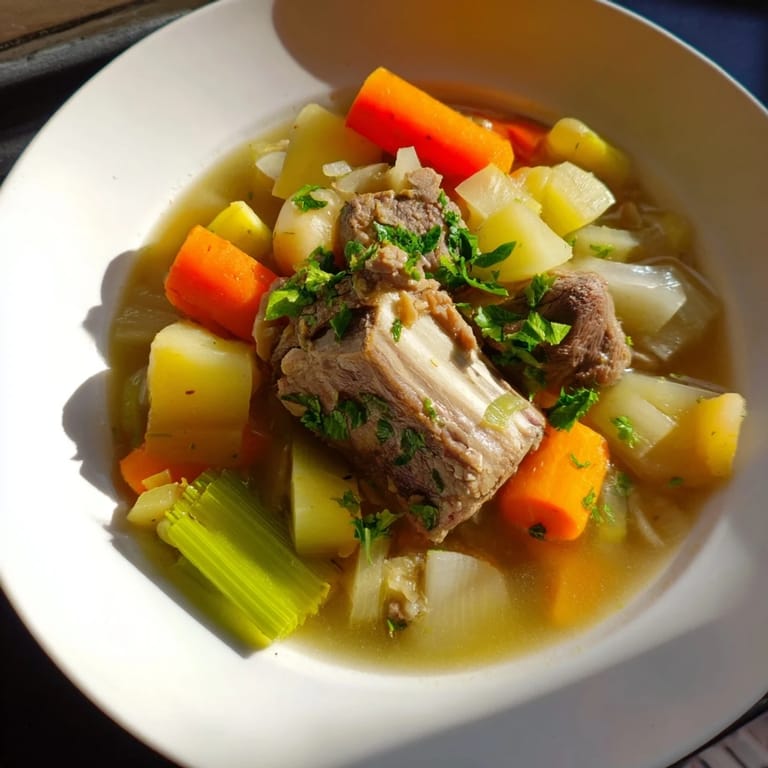
Save My grandmother's kitchen always smelled like this stew on Sunday afternoons—that deep, savory aroma of lamb and root vegetables melting into broth. She'd start it early, letting it bubble quietly on the back of her Aga while we played outside, and by dinner time the whole house felt warm and welcoming. That first spoonful of tender lamb falling from the bone taught me what comfort food really meant. Welsh cawl became the dish I make when I want to feel like I'm wrapping my hands around something honest and real.
I learned to make this properly when a Welsh friend invited me to her family dinner and quietly corrected my rushed chopping—leeks need to be sliced thickly, she explained, so they don't disappear into nothing. She showed me how the best cawl is made a day ahead, how the flavors deepen overnight and whisper back at you when you reheat it. That single dinner changed how I approached this dish, turning it from something I made into something I understood.
Ingredients
- Lamb shoulder (1 kg / 2.2 lbs, cut into large chunks): Bone-in cuts release collagen and minerals that make the broth rich and silky; the meat stays juicier this way than boneless cuts ever could.
- Carrots (2 large, peeled and sliced): They sweeten the broth naturally as they break down, creating an almost imperceptible sweetness that balances the lamb's depth.
- Parsnips (2 medium, peeled and sliced): These add an earthy sweetness that carrots alone can't quite capture—they're the quiet ingredient people taste but can't name.
- Potatoes (2 medium, peeled and diced): They thicken the broth gently as they soften, creating a velvety texture without any added cream.
- Swede or rutabaga (1 small, peeled and diced): If you've never cooked with swede before, trust that its mild, slightly sweet flavor mellows beautifully with long cooking.
- Leeks (2, cleaned and sliced): The whites and pale greens are your prize—they become meltingly tender and add a whisper of mild onion flavor without harshness.
- Onion (1 medium, diced): A foundation vegetable that dissolves into the broth, building flavor from the beginning.
- Stock (1.5 liters / 6 cups, chicken or lamb): Low-sodium is crucial—you're building flavor here, not fighting saltiness—and bone broth makes this taste like it simmered for a weekend.
- Bay leaves (2): They give you that gentle herbal note that says 'slow cooking' without announcing themselves loudly.
- Fresh parsley (1 small bunch, chopped): The last-minute addition keeps everything bright; save some for garnishing because those green flecks matter visually and in taste.
- Salt and black pepper: Add these gradually as you taste—the broth concentrates as it cooks, so patience here prevents over-salting.
Tired of Takeout? 🥡
Get 10 meals you can make faster than delivery arrives. Seriously.
One email. No spam. Unsubscribe anytime.
Instructions
- Begin with the lamb and broth:
- Place your lamb chunks in the pot and cover them with cold stock—this gentle start lets the meat release its flavors slowly into the liquid. Bring everything to a rolling boil, then watch as grayish foam rises to the surface; skim this away with a spoon because it's impurities that will cloud your finished broth.
- First simmer:
- Drop the heat low and add your bay leaves, then cover the pot and let it bubble gently for a full hour. You're not rushing this—the meat needs time to surrender to the heat, and you'll know it's ready when a fork slides through without resistance.
- Welcome the vegetables:
- Add your carrots, parsnips, potatoes, swede, and onion to the pot along with most of the leeks (keep a handful back for a reason you'll see later). Season with salt and pepper, then cover and simmer for another 45 minutes until the vegetables are tender enough to break easily.
- Final touches:
- Stir in those reserved leeks and the fresh parsley, then simmer uncovered for 10 minutes so the parsley stays bright green and the leeks soften just slightly. Taste it now—adjust salt and pepper to what makes you happy.
- Serve:
- Fish out those bay leaves, ladle the stew into bowls, and let it cool just enough to eat safely. The crusty bread or Welsh cheese on the side isn't optional in my kitchen—it's how this meal was meant to be finished.
 Save
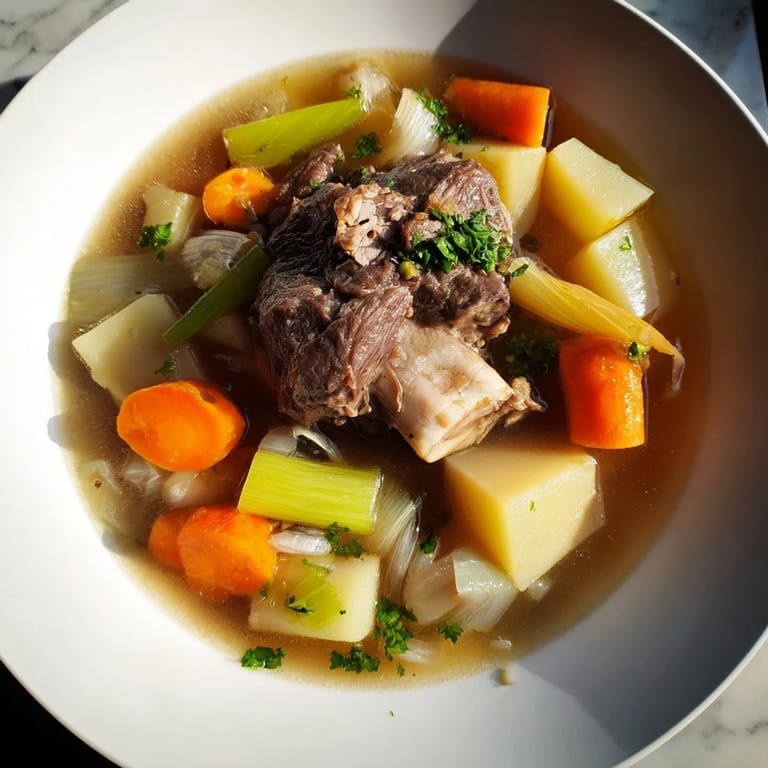
Save There's a moment in my kitchen when everyone goes quiet around the table—that's when you know you've made cawl right. It happens between that first spoonful and the second, when someone realizes they're eating something that tastes like home, even if home was never Wales for them.
Why This Stew Works
Cawl succeeds because it's an honest recipe built on patience rather than technique. Long, slow cooking transforms tough cuts of lamb into something so tender it falls apart at the gentlest push, while the root vegetables dissolve slightly into the broth, thickening it naturally. There's no cream, no roux, no fancy footwork—just good ingredients given enough time to become greater than the sum of their parts. This is food that actually gets better when you're not fussing with it.
Making It Your Own
My version is faithful to the traditional Welsh recipe, but cawl is forgiving enough to bend to what you have. If parsnips aren't your thing, add more carrots or celery root; if you want it thicker, keep the lid off during the vegetable cooking phase and let some liquid reduce away. The real magic is in respecting the slow simmer—that's what makes it cawl and not just beef stew with Welsh ingredients tossed in.
Serving and Storage
Serve this straight from the pot into bowls, steaming and generous, with thick bread for soaking up every drop. Cawl is one of those rare dishes that tastes better the next day, and it keeps beautifully in the refrigerator for three days or freezes for months if you want to build up a collection of cold-weather meals. Reheat it gently on the stove, adding a splash of stock if it's thickened too much, and it comes back to life like it was just made.
- Warm your bowls under hot water before serving so the stew stays hot longer.
- If you're making it ahead, cool it completely before refrigerating to keep the flavors from getting muted.
- Traditional pairing is Caerphilly cheese and crusty bread, but any good cheddar works beautifully too.
 Save
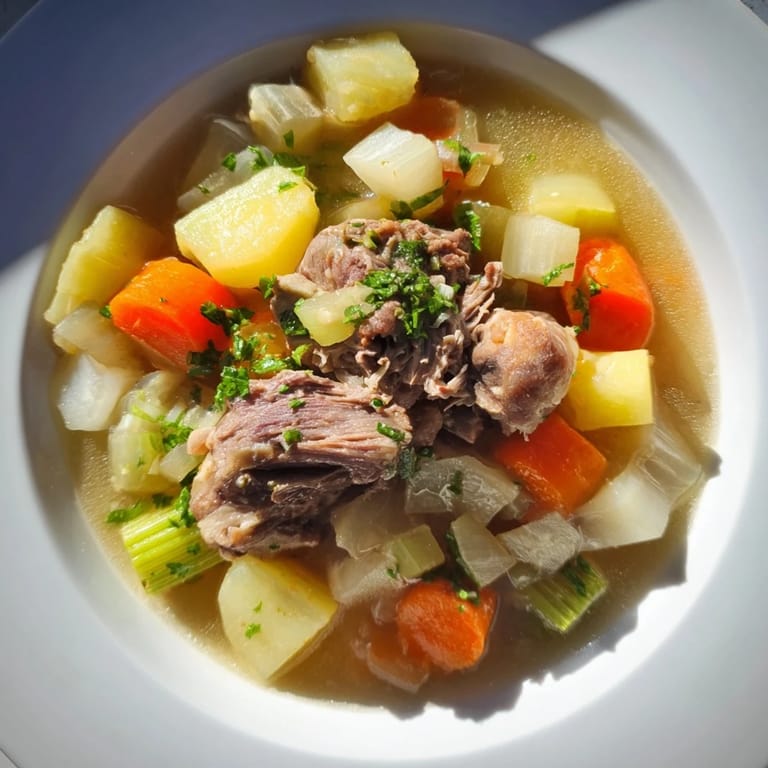
Save This stew has the power to turn an ordinary Tuesday into something memorable, and it never asks for much in return. Make a pot of cawl and you've given yourself and everyone around your table something real.
Recipe FAQs
- → What cut of meat works best?
Lamb shoulder with bone-in provides the most flavor and tenderness due to its marbling and connective tissue.
- → Can I prepare the dish ahead of time?
Yes, letting it rest overnight enhances the flavors, making the stew even richer when reheated.
- → What vegetables are traditional in this stew?
Carrots, parsnips, potatoes, swede, leeks, and onions are commonly used to achieve a hearty vegetable mix.
- → How long should the stew simmer?
Simmer gently for about 2 hours to tenderize the lamb and meld flavors fully.
- → Are there suitable alternatives for the lamb?
Lean beef or chicken can be substituted for a lighter but still flavorful result.