 Save
Save There's something about the smell of orange zest hitting warm dough that instantly transforms a quiet morning into something celebratory. I discovered these rolls by accident, really—I'd been making my usual cinnamon rolls one Saturday when I realized I had three gorgeous oranges sitting on the counter, practically begging to be used. Instead of reaching for my familiar spice jar, I decided to take a detour, zesting one orange into the dough and another into the filling. The result was so unexpectedly bright and citrusy that I've been making them ever since, especially when I want breakfast to feel a little more special than ordinary.
I'll never forget bringing these to a early morning brunch with friends who were tired of the usual bagel-and-cream-cheese routine. One person took a bite, closed their eyes for a moment, and said, "Wait, is this orange?" in a tone that made it clear they weren't expecting citrus to work so perfectly with a roll. By the end of brunch, the platter was completely empty and three people asked for the recipe, which honestly felt better than any compliment could have.
Ingredients
- All-purpose flour: The foundation that needs to be just right—too much makes them dense, too little keeps them from holding together, so measure by spooning and leveling.
- Active dry yeast: Make sure it's fresh by checking the date on the packet; stale yeast means rolls that won't rise properly no matter how patient you are.
- Whole milk and fresh orange juice: These wake up the dough with brightness, and using fresh juice instead of bottled makes a noticeable difference in flavor.
- Orange zest: This is where the magic happens—zest it directly into the dough and filling to release those fragrant oils that can't be replicated any other way.
- Unsalted butter: Use it melted in the dough and softened for the filling so you have complete control over the salt content.
- Eggs: Room temperature eggs blend more smoothly into the dough, creating a better texture than cold ones.
- Cream cheese and butter for frosting: Both should be softened to the same temperature so they beat together into a cloud instead of separating.
- Powdered sugar: Sift it if you have time to avoid lumps in your frosting, or just beat it a little longer.
Tired of Takeout? 🥡
Get 10 meals you can make faster than delivery arrives. Seriously.
One email. No spam. Unsubscribe anytime.
Instructions
- Wake up the yeast:
- Combine your warm milk, orange juice, and sugar in a bowl, then sprinkle the yeast over top and wait until it looks foamy and alive—about 5 to 10 minutes. This tells you the yeast is ready to do its job.
- Build the dough:
- Add the melted butter, orange zest, eggs, and salt to your yeast mixture, stirring until everything is combined. Gradually work in the flour, mixing until you have a soft, slightly sticky dough that comes together but isn't stiff.
- Knead until smooth:
- Whether you use your hands or a stand mixer, knead for about 8 to 10 minutes until the dough becomes smooth, elastic, and springs back when you poke it. If it's too sticky, sprinkle in a tiny bit more flour, but keep it on the softer side—that's what makes these rolls fluffy.
- Let it rise:
- Place the dough in a greased bowl, cover it loosely with plastic wrap or a damp towel, and let it sit in a warm spot for about an hour until it doubles in size. A warm kitchen corner or turned-off oven works perfectly.
- Prepare the filling:
- Mix your sugar and orange zest together in a small bowl, pressing gently to release all those fragrant oils. This mixture is what makes each roll taste like citrus heaven.
- Shape the rolls:
- Punch down the dough gently and roll it out on a lightly floured surface into a rectangle about 16 by 10 inches. Spread softened butter evenly across the surface, then sprinkle your orange sugar mixture in an even layer, making sure to get it all the way to the edges.
- Roll and cut:
- Starting from the long side, roll the dough tightly toward you, creating a long log, then cut it into 12 equal pieces using a sharp knife or even dental floss (which actually prevents squishing). Place each roll cut-side up in a greased 9 by 13-inch baking dish.
- Second rise:
- Cover the rolls loosely and let them sit for 30 to 40 minutes until they're puffy and touching each other slightly. They should look full and soft, ready to bake.
- Bake until golden:
- Preheat your oven to 350 degrees Fahrenheit and bake for 22 to 25 minutes until the tops are golden brown and the rolls smell absolutely incredible. The longer ones might take a minute or two more depending on your oven's personality.
- Make the frosting:
- While the rolls are baking, beat your softened cream cheese and butter together until they're smooth and cloud-like. Add the powdered sugar, orange juice, zest, vanilla, and a pinch of salt, then beat until everything is creamy and spreadable.
- Finish with frosting:
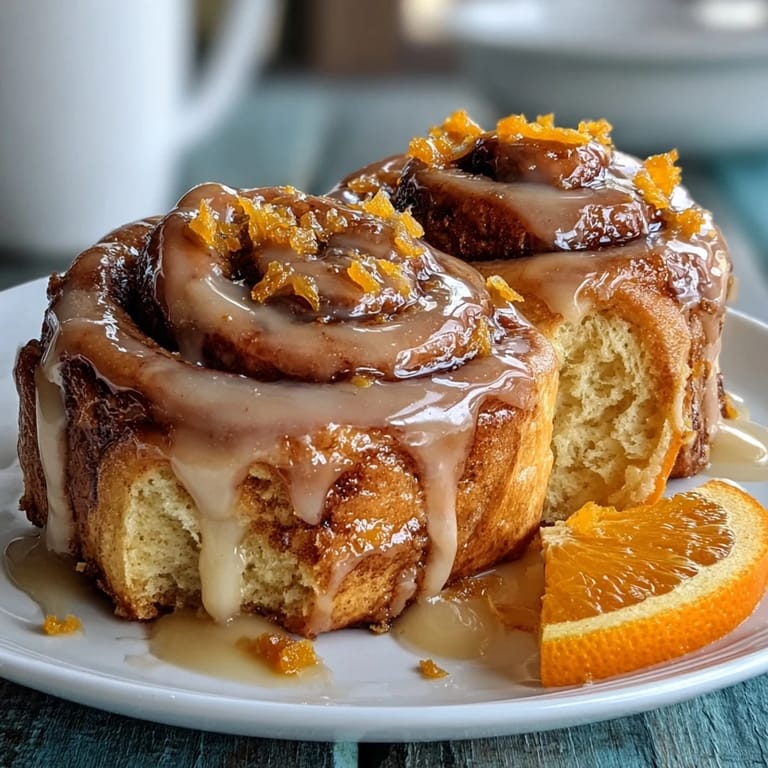
- Let the rolls cool for about 10 minutes, just enough so they're still warm, then spread or swirl the frosting generously over each one. The warmth of the rolls will help the frosting melt slightly into all the crevices.
 Save
Save There was a moment last spring when my neighbor caught the aroma of these rolls baking and actually knocked on my door asking what smelled so good. I gave her a warm roll with frosting still melting on top, and watching her take that first bite reminded me that food isn't really about following steps perfectly—it's about creating something that makes people stop what they're doing and pay attention.
The Orange Factor
Orange is one of those flavors that can go either way—either it tastes bright and delicate, or it tastes bitter and overwhelming. The trick here is using actual fresh orange juice and zest rather than extract, which gives you a natural sweetness that doesn't overpower the buttery, doughy base. I've learned that the timing matters too; if you zest your oranges too far in advance, some of that fragrant oil gets lost, so I try to zest them right before I start mixing.
Make-Ahead Magic
These rolls are actually even better when you prepare them the night before because the dough develops deeper flavor while it sits in the fridge overnight. You can shape them, cover them tightly, and refrigerate them after rolling, then let them come to room temperature and puff up for about 45 minutes before baking the next morning. There's something wonderful about rolling out of bed knowing fresh rolls are just waiting to go into the oven—it turns an ordinary Tuesday breakfast into something intentional and special.
Pairing Perfection
These rolls genuinely shine when you pair them with something that echoes their citrus notes—Earl Grey tea with its bergamot undertones is absolutely perfect, or a tall glass of fresh orange juice if you want to lean all the way into the theme. Even a simple cup of black coffee works beautifully because the bitterness plays off the sweet frosting in a really satisfying way. I've also served them alongside scrambled eggs and fresh fruit for brunch, and the combination feels both elegant and comforting at the same time.
- If you don't have a zester, a microplane grater works wonderfully and gives you the finest, most delicate pieces of zest.
- Dental floss is genuinely one of the best tools for cutting cinnamon or orange rolls because it glides through without squishing the dough.
- Save a tiny bit of orange zest to sprinkle on top of the frosting just before serving for a final burst of color and flavor.
 Save
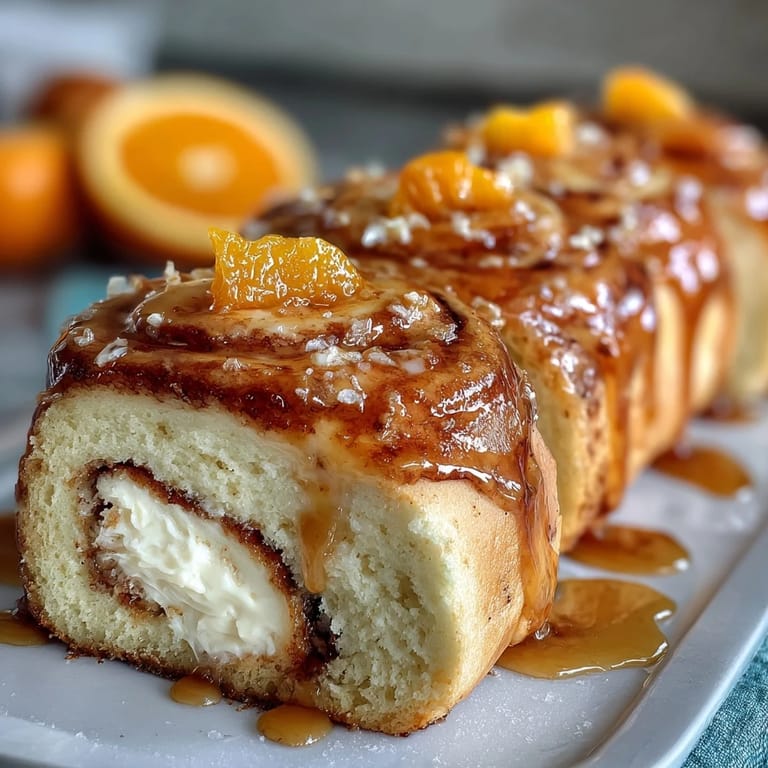
Save These orange rolls have become my go-to when I want to make someone's day a little brighter, whether that's family on a Sunday morning or friends gathering for brunch. They're proof that sometimes the best discoveries come from happy accidents in the kitchen.
Recipe FAQs
- → How do I ensure the dough rises properly?
Use warm milk and orange juice with active dry yeast to create a foamy starter. Let the dough rise in a warm, draft-free area until doubled in size, about 1 hour, for a light texture.
- → Can I prepare the rolls in advance?
Yes, after shaping, refrigerate the rolls overnight covered tightly. Before baking, let them rise at room temperature until puffy, then bake as directed.
- → What gives the filling its vibrant orange flavor?
The filling combines granulated sugar with fresh orange zest and softened butter, releasing bright citrus oils for a sweet, fragrant swirl.
- → How is the frosting made creamy and flavorful?
The frosting blends softened cream cheese and butter with powdered sugar, fresh orange juice, zest, vanilla extract, and a pinch of salt for smoothness and balanced citrus notes.
- → Can I substitute ingredients for dietary needs?
While traditional ingredients provide the best texture and flavor, some substitutions like plant-based butter or milk alternatives can be tested with attention to rising and consistency changes.